
Oud Agarwood
How to Store Agarwood Chips: Preserve Aroma & Resin for Decades
Jul
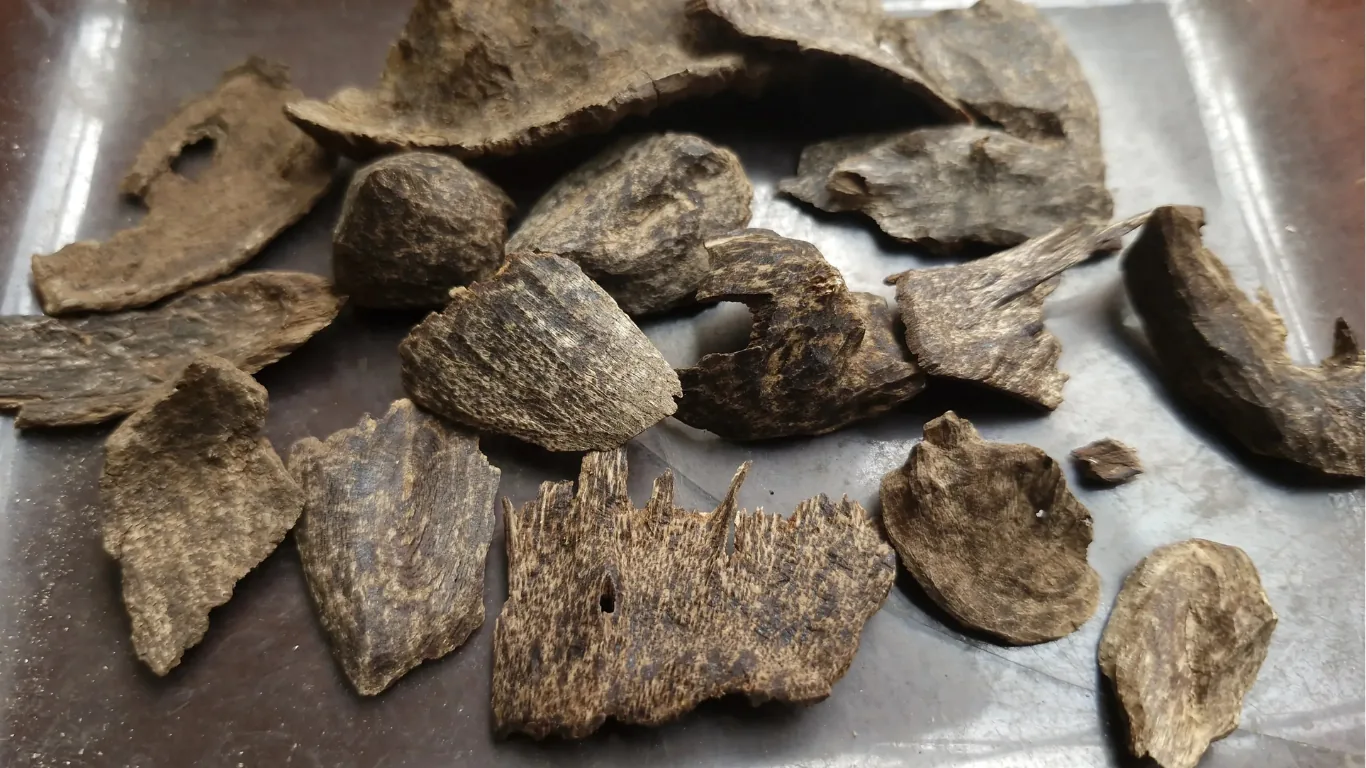
In the rarefied world of natural fragrances, few treasures command the reverence and value of agarwood. Often hailed as ‘liquid gold’ or the ‘wood of the gods,’ this resinous heartwood, formed deep within the Aquilaria tree, offers an olfactory journey unlike any other. For enthusiasts, collectors, and daily users alike, the exquisite aroma and the profound sense of peace it evokes are unparalleled. At OudWood Vietnam, sourcing the purest, most potent agarwood from the verdant forests of Khanh Hoa province, specifically the renowned Aquilaria crassna species, is our passion and our promise. But acquiring this precious commodity is only the first step; understanding how to store agarwood chips properly is paramount to preserving its intricate scent profile and ensuring its longevity.
Improper storage is the silent thief of agarwood’s soul. The complex volatile oils, responsible for its captivating fragrance, are remarkably sensitive to environmental fluctuations. Without due care, these precious molecules can evaporate, oxidize, or degrade, leaving behind a shadow of its former glory. This comprehensive guide, crafted by the experts at OudWood Vietnam, delves into the science, the tradition, and the practicalities of optimal agarwood preservation, ensuring that every chip you cherish retains its full potency and aromatic depth for years to come. Whether you possess rare Kyara, coveted Sinking Grade chips, or premium daily-use agarwood, safeguarding your investment and experience is essential.
The Intricate Science of Agarwood Degradation: Protecting Volatile Aromatic Compounds
To truly appreciate the importance of proper storage, one must first understand the very essence of agarwood’s fragrance. The magic lies within its resinous heartwood, which is imbued with a complex cocktail of sesquiterpenes, chromones, and other volatile organic compounds. These molecules, formed as the Aquilaria tree’s natural defense mechanism against fungal infection, are remarkably delicate. Each compound contributes a unique note to agarwood’s symphony – from sweet and floral to spicy, woody, and even animalic – creating the multi-layered aroma that defines true oud.
However, this very complexity makes agarwood susceptible to environmental factors. Exposure to direct sunlight, for instance, initiates photodegradation, breaking down the chemical bonds of these aromatic molecules. High temperatures accelerate evaporation, causing the lighter, more volatile notes to dissipate first, diminishing the fragrance’s initial lift and complexity. Conversely, excessive humidity can foster mold growth, particularly on chips with lower resin content or those not fully dried, introducing undesirable musty notes that irreversibly taint the pure oud scent. Even fluctuations in temperature and humidity can stress the wood, leading to the loss of subtle nuances and overall potency.
At OudWood Vietnam, we meticulously process and grade our agarwood from Khanh Hoa province, ensuring each chip, from the highest Ky Nam/Kyara to our Grade A (15-25% resin) and Sinking Grade selections, is pristine upon arrival. Our Aquilaria crassna species is renowned for its rich resin content and stable aromatic profile, but even the finest wood requires diligent care. Preserving the integrity of these intricate chemical structures is not merely about maintaining scent; it’s about safeguarding the very soul of the wood, ensuring that the ancient, sacred aroma can be experienced exactly as nature intended, whether for meditation, yoga, home aromatherapy, or the discerning collector’s appreciation.
Understanding these degradation pathways empowers you to act proactively, creating a stable micro-climate for your agarwood. This foresight protects the precious investment you’ve made and guarantees a consistent, rich olfactory experience every time you gently heat a chip, releasing its fragrant embrace.
Crafting the Perfect Environment: Ideal Conditions for Agarwood Preservation
Just as a fine wine requires a specific cellar, agarwood thrives in carefully controlled conditions. The goal is to minimize the environmental stressors that accelerate degradation, allowing the resinous compounds to remain stable and intact. This involves precise control over temperature, humidity, and light exposure, mimicking an ideal stable environment that respects the wood’s delicate nature.
- Temperature Control: The optimal temperature range for storing agarwood chips is between 18°C and 22°C (64°F and 72°F). Consistency is key; avoid drastic temperature swings. Excessive heat, particularly above 25°C (77°F), can cause the more volatile terpenes to evaporate rapidly, leading to a noticeable reduction in fragrance strength and complexity. Cold temperatures, while not as damaging as heat, can sometimes cause the resin to become brittle, and extreme cold followed by rapid warming can lead to condensation, introducing unwanted moisture.
- Humidity Control: Humidity is a critical factor. An ideal relative humidity (RH) of 50-60% is recommended. Too high humidity (above 70% RH) creates a breeding ground for mold and mildew, which can irreversibly damage the wood and introduce foul odors. This is particularly relevant for agarwood sourced from humid climates like Vietnam, where natural drying is crucial. Conversely, overly dry conditions (below 40% RH) can cause the wood to lose its natural moisture, becoming brittle and potentially leading to the premature evaporation of its aromatic oils.
- Light Exposure: Direct sunlight is agarwood’s enemy. The UV radiation within sunlight actively breaks down the complex organic molecules in the resin, leading to photodegradation and a significant loss of scent. Always store agarwood in a dark place or in opaque containers that block light. Indirect, ambient light is generally acceptable if the chips are well-protected within their primary container.
- Air Circulation and Odor Isolation: While agarwood needs a stable environment, it also benefits from being isolated from other strong odors. Agarwood is naturally absorbent and can pick up ambient smells from its surroundings, tainting its pure aroma. Ensure your storage area is clean, free of perfumes, cleaning agents, or other strong-smelling items. Gentle air circulation around the primary container, without direct drafts, can help prevent stagnant air without exposing the wood to excessive environmental shifts.
By diligently managing these three pillars—temperature, humidity, and light—you create a sanctuary for your agarwood. This stable micro-climate safeguards the intricate resinous structure of the Aquilaria crassna from Khanh Hoa, preserving its legendary sweet, woody, and complex notes that OudWood Vietnam is proud to bring to the world.
Choosing the Right Vessel: Storage Containers and Materials
The container you choose for your agarwood chips is nearly as important as the environment it resides in. The right vessel acts as a protective barrier, maintaining the ideal micro-climate and shielding the wood from external threats. Given the significant investment agarwood represents, selecting appropriate, non-reactive materials is crucial.
- Airtight Glass Jars: These are often the preferred choice for many collectors. High-quality, thick-walled glass jars with airtight seals (such as those with rubber gaskets or vacuum-seal lids) offer excellent protection. Glass is non-reactive, meaning it won’t impart any foreign odors to your agarwood. For added protection against light, opt for amber or dark-tinted glass, or store clear glass jars in a dark cabinet or within a larger opaque box. Glass also allows for easy visual inspection without needing to expose the chips to air every time.
- Specialized Wooden Boxes: Historically, wooden boxes have been used for storing precious items. For agarwood, boxes crafted from non-aromatic, stable woods like aged cedar (not fresh cedar, which has a strong scent), rosewood, or ebony can be excellent. These woods can help regulate humidity naturally to some extent and offer a beautiful, traditional presentation. However, ensure the wood is fully cured and free of strong inherent odors that might leach into the agarwood. Vietnamese artisans often craft exquisite wooden boxes specifically for incense and precious woods, reflecting centuries of tradition in preserving natural treasures. Avoid plastics entirely, as they can off-gas chemicals, absorb and then release odors, and often lack adequate sealing properties.
- Agarwood Humidors: For the serious collector, specialized agarwood humidors exist, often crafted with precise humidity control features, similar to cigar humidors but designed specifically for oud. These can be excellent for maintaining ideal conditions, particularly for rare Kyara or Sinking Grade chips. Ensure any humidification elements use distilled water and are kept meticulously clean to prevent mold.
- Vacuum-Sealed Bags (for short-term or specific purposes): While not ideal for long-term display or frequent access, food-grade vacuum-sealed bags can be useful for very short-term storage or for shipping, as they remove oxygen which contributes to oxidation. However, repeated vacuum sealing can be cumbersome, and the plastic contact should be minimized for very high-grade chips.
- Avoid: Never use plastic bags or containers, as they can leach chemicals and absorb odors. Avoid aromatic woods like fresh cedar, pine, or camphor, which will inevitably transfer their scent to your agarwood. Also, avoid anything that isn’t airtight if you are in a humid or very dry climate.
Regardless of your choice, ensure your container is always clean, dry, and free of any residual scents before introducing your precious agarwood chips. Pairing a suitable container with the ideal environmental conditions ensures your Vietnamese agarwood, harvested from the pristine forests of Khanh Hoa, remains a beacon of pure fragrance.
Mastering the Art of Handling & Practical Storage Techniques
Beyond selecting the right environment and container, the way you handle your agarwood chips plays a significant role in their long-term preservation. Think of it as a ritual of respect, a testament to the wood’s intrinsic value and rarity. These practical techniques, honed by generations of agarwood connoisseurs, ensure that every interaction preserves rather than diminishes its natural glory.
- Clean Hands are Essential: Always handle agarwood chips with clean, dry hands. Skin oils, lotions, and perfumes can easily transfer to the resinous surface of the wood, introducing foreign scents or even promoting microbial growth. Some collectors prefer to use clean cotton gloves, especially when handling highly prized Kyara or Sinking Grade chips, to avoid any contamination whatsoever.
- Minimize Exposure to Air: When retrieving or admiring your chips, do so quickly. Prolonged exposure to ambient air, especially outside of the ideal temperature and humidity range, accelerates the evaporation of volatile compounds. Open your container only when necessary and reseal it promptly.
- Separate by Grade and Origin: If you collect different grades or origins of agarwood, it’s crucial to store them separately. Even subtle aromatic differences can mingle and blend over time if chips are stored together in the same container. For instance, the distinct sweet, complex aroma of Vietnamese Aquilaria crassna from Khanh Hoa should not be mixed with a more earthy Cambodian oud. Label your containers clearly to avoid confusion and ensure you can easily identify each treasure.
- Regular Inspection: Periodically inspect your agarwood collection, perhaps once every few months. Look for any signs of mold (a fuzzy or discolored patch), unusual stickiness, or excessive dryness. If you detect mold, isolate the affected chip immediately. For minor surface mold, a gentle wipe with a clean, dry, soft brush *might* help if caught very early, but severe mold often means the chip is compromised and should ideally be separated from the rest of your collection to prevent spread.
- Resting Your Agarwood: Some collectors believe in allowing agarwood to “rest” after it has been exposed to air or handled. This simply means returning it to its sealed container and letting it stabilize for a few days or weeks before heating. This practice is thought to allow the aromatic oils to re-distribute and settle, ensuring a more consistent scent profile.
- Storage for Various Chip Sizes: For larger, thicker chips, ensure they have enough space within the container to allow for minimal air circulation around them without touching the container walls if possible. Smaller chips or dust can be stored in smaller, dedicated airtight vials or compartments within a larger container.
Adopting these practices elevates the act of storing agarwood from a mere chore to a mindful ritual. It’s a testament to the respect we have for this precious gift of nature, ensuring that the legacy of Vietnamese agarwood, nurtured and harvested with care by OudWood Vietnam, continues to enchant for generations.
Distinguishing Quality & Origins: A Note on Vietnamese Agarwood
While proper storage is universal for all agarwood, understanding the distinct characteristics of various origins enhances appreciation and underscores the value of your Vietnamese agarwood. The world of oud is vast and varied, but connoisseurs consistently recognize the unparalleled excellence of agarwood from Vietnam, particularly the Aquilaria crassna species from the Khanh Hoa province.
Vietnamese agarwood, especially from the Nha Trang region, is revered for its extraordinary sweetness, clarity, and complex layers of aroma that are both powerful and incredibly refined. It often presents notes of honey, fruit, delicate florals, and a signature crystalline sweetness that lingers beautifully. This distinct profile is a result of specific soil conditions, climate, and the unique genetic makeup of the Aquilaria crassna tree in this region. Unlike some other origins that might have more pronounced leathery, spicy, or even barnyard notes, premium Vietnamese agarwood offers a cleaner, brighter, and profoundly spiritual scent that makes it ideal for meditation, profound aromatherapy, and discerning collectors.
At OudWood Vietnam, our commitment to 100% pure, natural agarwood, sourced ethically and sustainably, ensures you receive chips of the highest integrity. We avoid all synthetic chemicals, DPG, charcoal boosters, and artificial dyes that can compromise the natural aroma and purity of the wood. Our CITES certification further guarantees legal and responsible trade, assuring you that your investment is not only pure but also ethically sourced.
To illustrate the nuances, here’s a comparison of common agarwood origins:
| Origin | Primary Species | Resin Profile | Typical Aroma Characteristics | Notes on Quality & Rarity |
|---|---|---|---|---|
| Vietnam (OudWood Vietnam) | Aquilaria crassna | High density, rich, crystalline | Sweet, honeyed, floral, complex, clean, spiritual, long-lasting with excellent sillage. | Considered among the best globally, especially Kyara/Ky Nam. Highly sought after for its refined, distinct sweetness and purity. Ethical sourcing is key. |
| Cambodia | Aquilaria crassna (sometimes hybrid) | Dense, dark, slightly varied | Sweet, fruity, rich woody, sometimes with a subtle “barnyard” or earthy funk, less clean than Vietnamese. | Good quality, often a more accessible entry point for connoisseurs. Varies widely by region and processing. |
| Indonesia | Aquilaria malaccensis, Aquilaria microcarpa, Aquilaria filaria | Varied density, often lighter | Earthy, woody, slight spice, sometimes smoky or aquatic notes. Less sweetness than Vietnam. | Broad range of qualities; typically more affordable and widely available. Can be quite pleasant, but rarely reaches the depth of Vietnamese. |
| Malaysia | Aquilaria malaccensis, Aquilaria hirta | Mid-density, sometimes more fibrous | Green, grassy, woody, earthy, can have a slight herbal bitterness. | Often used in blends; offers a different aromatic profile. Generally good for daily burning but less complex for connoisseurs. |
| India | Aquilaria malaccensis | Often dark, dense, sometimes oily | Animalic, musky, leathery, smoky, sometimes barnyard. Highly distinct and potent. | Highly prized by some for its raw, powerful character, but can be challenging for new users. Distinctly different from Vietnamese sweetness. |
This comparison highlights why proper storage of your Vietnamese agarwood is not just about preservation, but about honoring a truly exceptional aromatic legacy. Our commitment at OudWood Vietnam is to provide not just products, but an unparalleled experience, rooted in the purity and traditions of Nha Trang.
Beyond Chips: Storing Other Agarwood Products from OudWood Vietnam
While this guide primarily focuses on agarwood chips, OudWood Vietnam offers a range of other exquisite agarwood products, each requiring specific care to maintain its aromatic integrity and longevity. Extending your preservation efforts to your entire collection ensures that every item retains its potency and fragrance for your enjoyment, whether for daily use or special occasions.
- Agarwood Incense Sticks, Cones, Coils, and Backflow Cones: Our incense products, crafted from 100% pure natural agarwood powder and natural litsea bark binder (bời lời/楠木皮粉) without any synthetic chemicals, DPG, charcoal boosters, or artificial dyes, are designed to deliver an unadulterated oud experience. To preserve their fragrance:
- Airtight Containers: Store incense in airtight containers (glass jars, metal tins, or the sealed packaging they arrived in) to prevent moisture absorption and evaporation of volatile oils.
- Cool, Dry Place: Keep them away from direct sunlight, high heat, and humidity. A drawer or cupboard in a room with stable temperature and humidity is ideal.
- Isolate Scents: Avoid storing agarwood incense with other strongly scented items (like perfumes or other types of incense) as they can absorb foreign odors.
- Agarwood Essential Oil: Our pure agarwood essential oil, extracted from premium Aquilaria crassna, is a concentrated form of oud’s essence. Its preservation is critical for maintaining its therapeutic and aromatic qualities:
- Dark Glass Bottles: Essential oils should always be stored in dark amber or cobalt blue glass bottles to protect them from UV light degradation.
- Cool, Dark Place: Keep the bottle in a cool, dark place, away from direct sunlight and heat sources. A cupboard is generally sufficient. Refrigeration can prolong shelf life, but ensure the bottle is tightly sealed to prevent condensation and scent absorption from other refrigerated items.
- Tightly Sealed Caps: Always ensure the cap is tightly closed to prevent oxidation and evaporation. Oxygen is a primary enemy of essential oils.
- Agarwood Bracelets: Our agarwood bracelets, made from genuine agarwood beads, naturally carry the wood’s subtle fragrance. While not requiring the same rigorous storage as chips, some care will maintain their beauty and aroma:
- Avoid Water and Chemicals: Do not expose your bracelet to water, soaps, perfumes, or harsh chemicals, as these can strip the natural oils from the wood and dull its luster and scent.
- Protect from Direct Sunlight: Prolonged exposure to direct sunlight can dry out the beads and potentially fade their color. Store them in a soft pouch or jewelry box when not worn.
- Allow to Breathe: Occasionally, allow the bracelet to air out in a stable environment to prevent any buildup of moisture or odors, especially if worn frequently.
By extending mindful storage practices to all your OudWood Vietnam treasures, you ensure that every product, from raw chips to finished incense and essential oil, continues to deliver the authentic, natural aroma that is our hallmark.
The Long-Term Preservation of Your Agarwood Investment
For many, agarwood is more than just a fragrant wood; it’s a significant investment, a piece of natural art, and sometimes, a family heirloom. The rarity of genuine, high-grade agarwood, particularly exquisite Kyara (known as Ky Nam in Vietnam) or dense Sinking Grade chips, means its value continues to appreciate over time. Proper storage, therefore, transitions from a mere act of preservation to a crucial strategy for safeguarding and enhancing this valuable asset.
Consider the journey of a single agarwood chip. It begins deep within the heart of an Aquilaria tree, often in remote, challenging terrains like the mountains of Khanh Hoa. It takes decades, sometimes centuries, for the tree to produce the precious resin in response to natural infection. The careful harvesting, meticulous cleaning, and precise grading by skilled artisans, like those we partner with at OudWood Vietnam, are labor-intensive and steeped in tradition. Each chip tells a story of patience, nature’s resilience, and human craftsmanship. To then neglect its care would be to diminish this profound narrative and its inherent worth.
Collectors understand that maintaining the volatile oil content and preventing any degradation directly correlates with the market value and aromatic appeal of their agarwood. A well-preserved chip, free from mold, oxidation, or contamination, will always command a higher price and offer a superior sensory experience compared to one that has suffered from poor storage. This is particularly true for rare varieties, where even a slight loss of potency can drastically impact perceived quality and desirability.
Furthermore, proper storage protects the authenticity of your agarwood. In a market sometimes unfortunately flooded with imitations or chemically enhanced products, the pristine condition of naturally preserved agarwood stands as a testament to its genuine origin and purity. Our CITES certification at OudWood Vietnam ensures that your agarwood is not only authentic Aquilaria crassna from Vietnam but also legally and sustainably traded, adding another layer of security to your investment.
Ultimately, investing in robust storage solutions and adopting diligent care practices is an investment in the future value and enduring pleasure of your agarwood collection. It ensures that the unparalleled sweetness and complexity of Vietnamese oud, cultivated and cherished for generations in places like Nha Trang, remains a timeless treasure, ready to be appreciated by you, and perhaps, by generations to come.
Frequently Asked Questions About Agarwood Storage
What happens if agarwood gets wet?
If agarwood chips get wet, especially for an extended period, they are highly susceptible to mold growth. Moisture can also leach out some of the water-soluble aromatic compounds, and if dried improperly, the wood can lose its integrity, crack, and permanently alter its scent profile. It’s crucial to keep agarwood dry.
Can I store different grades or origins of agarwood together?
It is strongly recommended to store different grades and origins of agarwood separately in individual airtight containers. Each type has a unique aromatic profile, and storing them together can lead to cross-contamination of scents, diminishing the distinct characteristics of each chip.
How often should I check my stored agarwood?
For optimal preservation, it’s advisable to inspect your agarwood collection every 1-3 months. This allows you to check for any signs of mold, dryness, or other degradation, and address issues promptly. When doing so, minimize the chips’ exposure to ambient air.
What is the ideal humidity for agarwood storage?
The ideal relative humidity (RH) for storing agarwood chips is between 50% and 60%. This range prevents excessive dryness (which can cause evaporation of oils) and excessive humidity (which can lead to mold growth).
Does agarwood expire or lose its scent completely?
While agarwood doesn’t “expire” in the traditional sense, its scent can gradually diminish and change over many years or decades if not stored properly. The volatile compounds can evaporate or oxidize, leading to a loss of potency and complexity. With ideal storage, high-grade agarwood can maintain its fragrance for a very long time, even centuries.
Can I revive dry agarwood chips?
Once the volatile oils have evaporated due to dryness, it’s difficult to fully “revive” agarwood to its original potency. You might be able to reintroduce a minimal amount of humidity with specialized humidification techniques, but significant scent loss is often irreversible. Prevention through proper storage is always the best approach.
Is it safe to store agarwood in the fridge or freezer?
Generally, it is not recommended to store agarwood chips in a fridge or freezer. While cold can slow degradation, the fluctuating humidity inside these appliances and the risk of condensation when bringing chips out can be detrimental. Additionally, agarwood can absorb odors from other food items. A stable, cool, dark cupboard is usually far better.
How should I store agarwood incense sticks from OudWood Vietnam?
Our natural agarwood incense sticks (and cones, coils) should be stored in an airtight container, such as a glass jar or a sealed metal tin. Keep them in a cool, dry place, away from direct sunlight, excessive heat, and any strong-smelling items, to preserve their pure aroma.
The journey with agarwood is one of discovery, appreciation, and mindful preservation. By following these expert guidelines, you ensure that every interaction with your agarwood collection, especially the exquisite Aquilaria crassna from OudWood Vietnam, remains a truly profound and unadulterated aromatic experience. Explore our range of pure, CITES-certified agarwood products and begin your own fragrant journey at OudWoodVietnam.com.
📌 2026 Valuation, Buyer Guides & Direct Sourcing:
- Pillar Price Guide: Agarwood Price 2026: Real Vietnamese Oud Wood Price Per Kg & Kinam Rates
- Buyer’s Guide: Where to Buy Authentic Agarwood in Vietnam (Nha Trang, Hanoi, Saigon)
- Global Rates: Agarwood Price by Country 2026: Kuwait, UAE, India, Japan & US
- Anti-Scam Guide: How to Identify Real vs Fake Agarwood (7 Collector Tests)
- Direct from Farm: Wild Vietnamese Oud Chips Grade A (1 Kg) | CITES Certified

Oud Wood Agarwood Chips
Hoi An Oud Wood Agarwood Chips | Doi De A | Grade A++ | 20g
Oud Wood Agarwood Chips
Khanh Hoa Oud Wood Agarwood Chips | Chop Mu A | Grade A++ | 20g
Oud Wood Agarwood Chips
Natural Oud Wood Agarwood Chips | Mo | Grade A | 30g