Oud Agarwood
Where to Buy Real Agarwood in Vietnam: Trusted Local & Online Guide
May
📍 Quick Takeaways: Sourcing Agarwood in Vietnam
- Khanh Hoa (Nha Trang): The epicentre of Vietnamese agarwood culture. Look for certified artisan ateliers rather than beachside tourist kiosks.
- Hanoi Old Quarter: Historic guild areas (around Hang Gai & Hoan Kiem) offer heritage boutiques specializing in ceremonial incense and meditation beads.
- Tourist Trap Warning: Beware of heavily discounted “black sinking wood” in night markets—these are commonly pressure-boiled ordinary timbers with artificial scent oils.
- CITES Compliance: Legitimate sellers will assist international travelers with official export certification for smooth customs clearance.
In a global market often clouded by ambiguity and imitation, OudWood Vietnam stands as a beacon of uncompromising purity, authenticity, and transparency. Our commitment is not just a business philosophy; it is a deep-seated reverence for the sacred tradition of agarwood cultivation and craftsmanship, rooted in the very heart of Vietnam.
Our journey begins in the fertile forests of Khanh Hoa province, specifically around Nha Trang—a region universally acknowledged as the prime origin for the legendary Aquilaria crassna species. This specific species, thriving in the unique climate and soil conditions of central Vietnam, naturally yields agarwood with an unparalleled aromatic complexity and resinous depth. Unlike many suppliers who source from various regions or utilize different Aquilaria species, our singular focus on Khanh Hoa’s Aquilaria crassna ensures a consistent, superior quality and the authentic Vietnamese scent profile that collectors and connoisseurs cherish.
The crafting of our agarwood products is a meticulous process, honoring centuries-old Vietnamese artisan traditions. From the careful harvesting of sustainable agarwood trees to the intricate hand-cleaning of raw chips, every step is executed with precision and respect for the material. For our exquisite incense, the process is even more specialized. We use only 100% pure agarwood powder, finely milled from our high-grade Aquilaria crassna, and bind it exclusively with natural litsea bark powder (bời lời/楠木皮粉). This traditional binder is completely natural and non-toxic, ensuring a clean, slow, and pure burn that allows the true agarwood aroma to unfurl beautifully. We vehemently reject the use of any synthetic chemicals, DPG (dipropylene glycol), charcoal boosters, or artificial dyes. Our incense is designed to be a pure aromatic experience, free from harsh smoke or artificial aftertastes—a promise that resonates deeply with those seeking natural wellness through meditation, yoga, or home aromatherapy.
Beyond our dedication to purity and traditional craftsmanship, OudWood Vietnam is committed to ethical and legal practices. All our agarwood products are CITES certified. CITES (the Convention on International Trade in Endangered Species of Wild Fauna and Flora) certification is not merely a formality; it is a vital assurance that our agarwood is legally and sustainably sourced, protecting the precious Aquilaria species from overexploitation. This certification is critical for any international buyer, guaranteeing that your purchase is not only authentic but also environmentally responsible and legal for international shipping, including compliance with TSA regulations for air travel. We provide the necessary documentation to ensure a seamless and worry-free experience for our global clientele.
Choosing OudWood Vietnam means investing in more than just agarwood; it’s an investment in trust, quality, and sustainability. It’s a choice for the unparalleled purity of Aquilaria crassna from Khanh Hoa, for traditional artisan excellence, and for products that elevate your sensory and spiritual journey. Whether you seek raw chips for personal heating, meticulously crafted incense for daily rituals, pure essential oil for therapeutic benefits, or elegant bracelets as a personal luxury, OudWood Vietnam delivers the authentic, unadulterated essence of Vietnamese agarwood—a truly world-class offering.
A Buyer’s Checklist: Ensuring a Rewarding Agarwood Investment
Acquiring authentic, high-quality agarwood is a journey that can be immensely rewarding, but it requires diligence and an informed approach. To ensure your investment brings lasting satisfaction, here’s a comprehensive checklist designed to empower you with the right questions and observations when seeking to purchase agarwood in Vietnam or from reputable international suppliers like OudWood Vietnam.
- Demand CITES Certification: This is non-negotiable for international buyers. Always ask for proof of CITES certification. It verifies that the agarwood has been legally and sustainably harvested and can be legally exported and imported. Without it, you risk confiscation and legal issues. OudWood Vietnam proudly provides CITES certification for all our agarwood products, ensuring full compliance for international shipping.
- Inquire About Origin and Species: A reputable vendor will be transparent about where their agarwood originates (e.g., Khanh Hoa, Vietnam) and the specific Aquilaria species (e.g., Aquilaria crassna). Vague answers or claims of “mixed origins” are red flags.
- Understand the Grading System: Ask about the specific grade (Ky Nam, Sinking Grade, Grade A, B, C, D) and what criteria the vendor uses for grading (e.g., resin content, density). For instance, knowing that OudWood Vietnam’s Grade A chips have 15-25% resin content provides a clear benchmark for quality.
- Perform Sensory Tests (If Possible):
- Scent: Inhale the unheated wood for a subtle, natural aroma. If heated, note the evolution of the scent: sweet, complex, woody, persistent, and clean, without chemical or acrid notes.
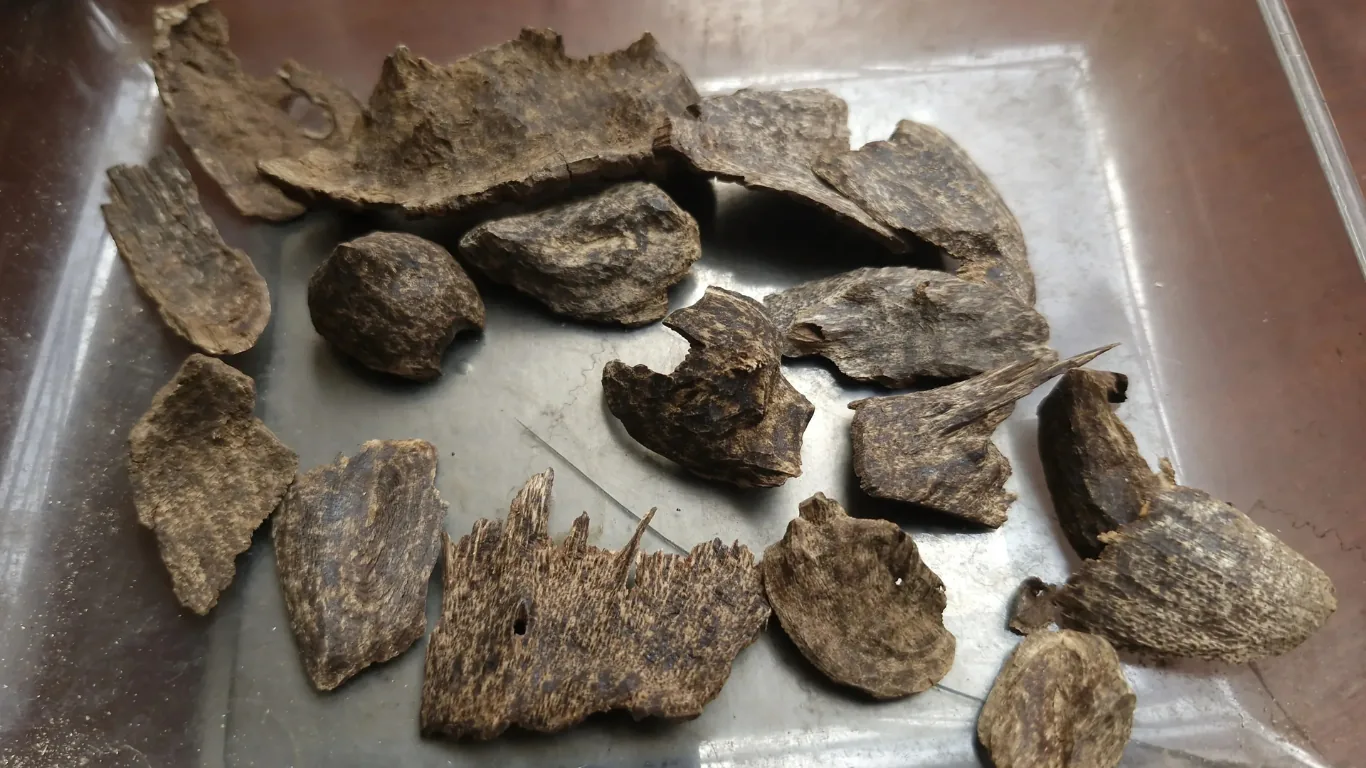
- Visual: Look for natural, irregular resin patterns (dark, web-like veins). Avoid uniformly dark, painted, or overly glossy pieces.
- Weight/Density: Good agarwood feels heavier than expected for its size due to resin saturation.
- Ask About Processing Methods: If buying incense, confirm the binding agent (e.g., natural litsea bark). Ensure there are no synthetic additives like DPG, charcoal, or artificial dyes. OudWood Vietnam prides itself on 100% pure, natural ingredients in all our incense products.
- Be Wary of “Bargains”: True high-grade agarwood is rare and commands premium prices. If a deal seems too good to be true, it almost certainly is a sign of fake, treated, or very low-grade material. Understand that the value of agarwood is derived from its scarcity and the labor-intensive process of its formation and harvesting.
- Check Vendor Reputation: For online purchases, read reviews, check for professional websites, and look for a strong track record. Reputable vendors often have educational content, customer support, and clear return policies.
- Consider the Use Case: Different forms and grades suit different purposes. Raw chips are best for pure heating, incense for daily aroma, essential oil for perfumery, and bracelets for subtle personal fragrance and spiritual connection. Tailor your purchase to your intended use.
- Long-Term Storage: Learn how to store agarwood properly (away from direct sunlight, extreme temperatures, and humidity) to preserve its delicate aroma and prevent degradation over time.
By diligently following this checklist, you transform from a casual buyer into an informed collector, ensuring that your journey to acquire Vietnamese agarwood culminates in a truly rewarding investment—a fragrant treasure that enriches your life for years to come.
Conclusion: Your Authentic Agarwood Journey Begins Here
Vietnam’s legacy as the fount of the world’s most cherished agarwood, particularly the revered Aquilaria crassna from its central provinces, is undeniable. For centuries, its deep, complex, and ethereal fragrance has enchanted connoisseurs, enriched spiritual practices, and served as a symbol of luxury and distinction. The quest for authentic Vietnamese agarwood is more than a purchase; it’s an immersion into a profound cultural heritage and an investment in a natural marvel whose value transcends monetary terms.
Navigating this specialized market requires knowledge, discernment, and a trusted partner. We’ve explored the unique attributes that elevate Vietnamese agarwood, detailed the critical identification methods to distinguish genuine from fake, and highlighted the geographical heartlands, particularly Khanh Hoa (Nha Trang), where the finest specimens originate. We’ve also elucidated the diverse grades and product forms, ensuring you’re equipped to make choices that align with your desires and intended uses.
At OudWood Vietnam, we are not merely vendors; we are custodians of this precious tradition. Our unwavering commitment to 100% pure, natural Aquilaria crassna agarwood from Khanh Hoa, our adherence to traditional artisan craftsmanship, and our steadfast refusal to incorporate any synthetic chemicals, DPG, charcoal boosters, or artificial dyes, set us apart. Coupled with our essential CITES certification and TSA compliance, we offer a guarantee of authenticity, legality, and an unparalleled sensory experience, whether you seek raw chips for heating, pure incense for meditation and home aromatherapy, exquisite essential oil, or elegant agarwood bracelets.
We invite you to embark on an authentic agarwood journey with us. Explore the unparalleled purity and captivating aroma of true Vietnamese agarwood, direct from its source. Discover the difference that integrity, tradition, and an unwavering passion for excellence make. Your quest for the best agarwood from Vietnam finds its definitive answer with OudWood Vietnam.
Frequently Asked Questions About Buying Agarwood in Vietnam
What is Ky Nam/Kyara and why is it so special?
Ky Nam (known as Kyara in Japan) is the absolute highest and rarest grade of agarwood. It is characterized by an intensely complex, multi-layered aroma that often presents a simultaneous blend of sweet, bitter, pungent, and sour notes. It is incredibly difficult to find, even in Vietnam, and commands exceptionally high prices due to its unique resonance and profound aromatic depth. It’s often considered a spiritual and meditative treasure.
How can I tell if agarwood is real and not fake?
Genuine agarwood has a complex, evolving scent profile (not flat or synthetic), natural, irregular resin patterns (not uniform black), feels dense and heavy, and burns cleanly without excessive smoke or a harsh chemical smell. Fake agarwood often has a strong, simple, sometimes acrid smell, uniform dark coloring, and may feel unusually light for its appearance. Always buy from reputable sources.
Is it legal to buy agarwood from Vietnam and ship it internationally?
Yes, it is legal to buy and ship agarwood internationally, provided it is sourced sustainably and accompanied by CITES (Convention on International Trade in Endangered Species) certification. This certification ensures the agarwood comes from legal, regulated cultivation. Without CITES, international shipping can result in confiscation. OudWood Vietnam provides CITES certification for all its products, ensuring legality and smooth international shipping, including TSA compliance for air travel.
What does “sinking grade” agarwood mean?
“Sinking grade” refers to agarwood that is so rich in resin that it is denser than water and will sink when placed in it. It represents an extremely high quality of agarwood, second only to Ky Nam/Kyara in rarity and aromatic intensity. Sinking grade pieces are highly valued by collectors for their exceptional resin content and powerful, enduring fragrance.
Why is Vietnamese agarwood considered among the best in the world?
Vietnamese agarwood, particularly from the central provinces like Khanh Hoa, is prized for its unique Aquilaria crassna species and specific terroir. This combination yields agarwood with a distinctively sweet, complex, and ethereal aroma that often includes floral and balsamic notes, known for its longevity and purity. The historical presence of legendary Ky Nam also contributes to its esteemed reputation.
What’s the best way to use agarwood chips?
The ideal way to experience agarwood chips is by gently heating them on a low-temperature electric incense burner (typically set between 150-220°C). This process slowly releases the complex aromatic compounds without combustion, allowing the full spectrum of the agarwood’s fragrance to unfold beautifully. It’s perfect for meditation, personal enjoyment, or enriching your living space.
Are OudWood Vietnam’s products genuinely 100% natural?
Absolutely. OudWood Vietnam is unwavering in its commitment to purity. All our products, from raw chips to incense, are crafted from 100% pure natural Aquilaria crassna agarwood from Khanh Hoa. Our incense uses only natural litsea bark powder as a binder, with absolutely zero synthetic chemicals, DPG, charcoal boosters, or artificial dyes. We pride ourselves on offering an unadulterated, authentic agarwood experience.
What is the typical resin content for Grade A agarwood?
For reputable suppliers like OudWood Vietnam, Grade A agarwood typically boasts a significant resin content, often in the range of 15-25%. This high percentage contributes to its density, rich visual appearance, and, most importantly, its complex and enduring aromatic profile when heated.
When considering where to buy, several channels present themselves, each with varying degrees of risk and reward. For the intrepid and highly knowledgeable buyer, attempting to source directly from cultivators or harvesters in remote forest areas might seem appealing. However, this path is fraught with challenges, including language barriers, navigation difficulties, and a lack of established trust, making it impractical and often unsafe for most international buyers. Furthermore, verifying the authenticity and sustainability practices in such informal settings is extremely difficult.
In urban centers like Ho Chi Minh City or Hanoi, one might encounter numerous shops claiming to sell agarwood. While some may offer legitimate products, many tourist-oriented markets and general souvenir shops are notorious for selling treated wood, low-grade agarwood, or outright fakes. It is crucial to approach these with extreme caution and a strong understanding of identification techniques. Prices can be inflated, and transparency about origin and processing methods is often lacking. Raw wood, especially, should be viewed with skepticism in such environments unless the vendor is a highly specialized and reputable dealer with clear provenance.
For the serious collector or discerning buyer, specialized boutiques and reputable online dealers represent the safest and most reliable avenues. These vendors often have long-standing relationships with harvesters and artisans, ensuring a transparent supply chain. A key advantage of choosing a specialized dealer is their expertise and commitment to quality control. They are more likely to offer CITES-certified products, crucial for legal international transport, and can provide detailed information about the agarwood’s origin, grade, and processing. OudWood Vietnam embodies this ideal. Our direct operations in Khanh Hoa, combined with our commitment to purity and transparency, ensure that every product, from raw chips to finely crafted incense, is 100% pure natural Aquilaria crassna, free from any synthetic chemicals, DPG, charcoal boosters, or artificial dyes. We pride ourselves on preserving Vietnamese artisan traditions in our crafting process, bringing the authentic essence of Nha Trang’s agarwood directly to you.
Prioritizing vendors who can demonstrate direct supply chains from established agarwood regions like Khanh Hoa, who offer clear grading systems, and who back their products with certifications, is essential for a rewarding and authentic purchasing experience. This eliminates much of the guesswork and risk associated with navigating the broader Vietnamese agarwood market, allowing you to focus on appreciating the sublime aroma of true Vietnamese Agarwood.
Understanding Agarwood Grades and Product Forms
The world of agarwood is rich with nuances, and understanding its various grades and product forms is fundamental to making an informed purchase. The grading of agarwood is primarily determined by its resin content, which directly correlates to its density, aroma intensity, and ultimately, its value. The higher the resin saturation within the wood, the more potent and long-lasting the fragrance, and the higher the grade.
At the apex of agarwood grading stands “Ky Nam” (or Kyara). This legendary form of agarwood is extraordinarily rare, characterized by its complex, multi-layered aroma that often reveals simultaneous notes of sweetness, bitterness, pungency, and sourness, all within a single piece. It is often described as having an ethereal, almost otherworldly fragrance. Following Ky Nam, the next highest natural grade is “Sinking Grade” agarwood. These pieces are so saturated with resin that they are denser than water and will sink when placed in it. Sinking grade agarwood typically boasts an extremely high resin content, leading to a profound, rich, and enduring scent profile, often commanding premium prices for collectors.
Beyond these pinnacle grades, agarwood is typically categorized into grades such as A, B, C, and D, reflecting a descending scale of resin concentration. For instance, OudWood Vietnam’s Grade A agarwood chips contain a significant 15-25% resin content, offering a beautiful, balanced aroma perfect for gentle heating. Grade B would have a slightly lower resin content, and so forth, each still providing a genuine agarwood experience but with varying degrees of intensity and complexity. Understanding these distinctions allows buyers to match their expectations and budget with the appropriate quality.
Agarwood is available in several product forms, each catering to different preferences and uses:
- Raw Chips: These are irregular pieces of pure agarwood, often hand-cleaned to remove non-resinous wood. Ideal for heating on an electric incense burner (low temperature, typically 150-220°C) to fully appreciate the evolving aroma without combustion. Perfect for connoisseurs and those seeking a pure, unadulterated experience for meditation, yoga, or home aromatherapy.
- Incense Sticks, Cones, Coils, and Backflow Cones: These popular forms offer a convenient way to enjoy agarwood’s fragrance. It is crucial to choose incense made with 100% pure agarwood powder, bound only with natural ingredients like litsea bark powder (bời lời/楠木皮粉). OudWood Vietnam meticulously crafts its incense products using only pure Aquilaria crassna agarwood from Khanh Hoa and natural litsea bark, ensuring zero synthetic chemicals, zero DPG, zero charcoal boosters, and zero artificial dyes. This purity guarantees a clean, authentic burn, making them perfect for daily rituals, creating a tranquil atmosphere, or as a luxurious gift.
- Essential Oil (Oud Oil): Distilled from agarwood, this precious oil captures the concentrated essence of the wood. Pure agarwood essential oil is incredibly potent and is used in perfumery, aromatherapy, and traditional medicine. It should be 100% natural, with no carriers or diluents. OudWood Vietnam offers pure, undiluted essential oil, ensuring its profound therapeutic and aromatic benefits.
- Bracelets: Crafted from beads of agarwood, these not only serve as beautiful accessories but also emit a subtle, personal aroma through body heat. Agarwood bracelets are highly valued for their perceived spiritual benefits, promoting calm and mindfulness, making them thoughtful luxury gifts or personal talismans.
By understanding the nuances of grades and the diverse product forms available, you can confidently select the agarwood product that best suits your needs, whether for personal spiritual practice, enhancing your living space, or as a timeless luxury gift.
The OudWood Vietnam Difference: A Commitment to Purity and Authenticity
In a global market often clouded by ambiguity and imitation, OudWood Vietnam stands as a beacon of uncompromising purity, authenticity, and transparency. Our commitment is not just a business philosophy; it is a deep-seated reverence for the sacred tradition of agarwood cultivation and craftsmanship, rooted in the very heart of Vietnam.
Our journey begins in the fertile forests of Khanh Hoa province, specifically around Nha Trang—a region universally acknowledged as the prime origin for the legendary Aquilaria crassna species. This specific species, thriving in the unique climate and soil conditions of central Vietnam, naturally yields agarwood with an unparalleled aromatic complexity and resinous depth. Unlike many suppliers who source from various regions or utilize different Aquilaria species, our singular focus on Khanh Hoa’s Aquilaria crassna ensures a consistent, superior quality and the authentic Vietnamese scent profile that collectors and connoisseurs cherish.
The crafting of our agarwood products is a meticulous process, honoring centuries-old Vietnamese artisan traditions. From the careful harvesting of sustainable agarwood trees to the intricate hand-cleaning of raw chips, every step is executed with precision and respect for the material. For our exquisite incense, the process is even more specialized. We use only 100% pure agarwood powder, finely milled from our high-grade Aquilaria crassna, and bind it exclusively with natural litsea bark powder (bời lời/楠木皮粉). This traditional binder is completely natural and non-toxic, ensuring a clean, slow, and pure burn that allows the true agarwood aroma to unfurl beautifully. We vehemently reject the use of any synthetic chemicals, DPG (dipropylene glycol), charcoal boosters, or artificial dyes. Our incense is designed to be a pure aromatic experience, free from harsh smoke or artificial aftertastes—a promise that resonates deeply with those seeking natural wellness through meditation, yoga, or home aromatherapy.
Beyond our dedication to purity and traditional craftsmanship, OudWood Vietnam is committed to ethical and legal practices. All our agarwood products are CITES certified. CITES (the Convention on International Trade in Endangered Species of Wild Fauna and Flora) certification is not merely a formality; it is a vital assurance that our agarwood is legally and sustainably sourced, protecting the precious Aquilaria species from overexploitation. This certification is critical for any international buyer, guaranteeing that your purchase is not only authentic but also environmentally responsible and legal for international shipping, including compliance with TSA regulations for air travel. We provide the necessary documentation to ensure a seamless and worry-free experience for our global clientele.
Choosing OudWood Vietnam means investing in more than just agarwood; it’s an investment in trust, quality, and sustainability. It’s a choice for the unparalleled purity of Aquilaria crassna from Khanh Hoa, for traditional artisan excellence, and for products that elevate your sensory and spiritual journey. Whether you seek raw chips for personal heating, meticulously crafted incense for daily rituals, pure essential oil for therapeutic benefits, or elegant bracelets as a personal luxury, OudWood Vietnam delivers the authentic, unadulterated essence of Vietnamese agarwood—a truly world-class offering.
The Soul of Scent: Why Vietnamese Agarwood Reigns Supreme
The mystique surrounding Vietnamese agarwood is not merely folklore; it’s a testament to a unique confluence of geography, climate, and the unparalleled potency of the Aquilaria crassna species. While agarwood is found across Southeast Asia, the conditions prevalent in Vietnam’s central provinces are exceptionally conducive to the formation of agarwood with a distinct and highly coveted olfactory profile. The dense, tropical forests, characterized by their specific rainfall patterns, mineral-rich soil, and unique microbial ecosystems, all contribute to the rarity and complexity of the resin produced by these particular Aquilaria trees when infected.
What sets Vietnamese Aquilaria crassna apart is its remarkably high resin yield and the complexity of its aromatic compounds. When heated, genuine Vietnamese agarwood unfurls a symphony of notes: initially a sweet, floral top note, evolving into deep, woody, slightly spicy undertones, and finishing with a profound, lingering warmth that is often described as honeyed or balsamic. This multi-layered experience, known as “qi” or energy in traditional practices, is virtually impossible to replicate artificially. The resin formation within the heartwood of the Aquilaria crassna here is denser, more concentrated, and more fragrant, particularly in older, naturally infected trees.
Historically, central Vietnam – provinces such as Quang Nam, Hue, and especially Khanh Hoa – has been the epicentre of agarwood harvesting. This region is the fabled birthplace of “Ky Nam” (Kynam), often referred to as “Kyara” by Japanese connoisseurs, which represents the absolute pinnacle of agarwood quality. Ky Nam is distinguished by its intense, volatile, and profoundly complex aroma, often exhibiting simultaneous notes of bitterness, sweetness, pungency, and sourness. It is incredibly rare, commanding prices that reflect its legendary status and scarcity. While Ky Nam is almost mythical in its availability, the general grade agarwood from these regions still embodies superior characteristics compared to many other origins.
Comparing Vietnamese agarwood to other prominent origins reveals its unique standing. While Cambodian agarwood is often praised for its distinct sweetness and slight earthiness, and Indonesian agarwood (primarily from Kalimantan or Papua) can offer robust, somewhat leathery or slightly bitter profiles, Vietnamese agarwood typically boasts a cleaner, sweeter, and more ethereal fragrance. Thai and Malaysian agarwood, while valuable, often have a lighter resin content and a less intricate aromatic complexity. The density, the persistent sillage, and the pure, unadulterated sweetness without any hint of sourness or harshness often found in lesser grades from other regions, are the hallmarks of true Vietnamese agarwood, particularly the Aquilaria crassna from Khanh Hoa, the very heartland of OudWood Vietnam’s operations. This distinct terroir contributes directly to the exquisite sensory experience cherished by aficionados worldwide.
| Agarwood Origin | Dominant Species | Typical Scent Profile | Rarity & Resin Content | Common Use |
|---|---|---|---|---|
| Vietnam (Central) | Aquilaria crassna | Sweet, floral, evolving to deep woody, balsamic, ethereal. Ky Nam/Kyara highly prized. | High rarity, exceptionally high resin content (especially Ky Nam). | Meditation, luxury incense, pure chips, essential oil. |
| Cambodia | Aquilaria crassna | Sweet, slightly earthy, sometimes with a subtle fruity note. Less complex than Vietnamese. | Moderate rarity, good resin content. | Incense, oil, sometimes chips. |
| Indonesia (Kalimantan, Papua) | Aquilaria malaccensis, Aquilaria microcarpa | Robust, woody, often earthy, sometimes leathery or slightly bitter. Varies widely by region. | Variable rarity, moderate to good resin content. | Incense, oil, carvings. |
| Thailand | Aquilaria crassna | Lighter, often sweet and woody, sometimes with green or herbal nuances. | Moderate availability, moderate resin content. | Incense, everyday use. |
| Malaysia | Aquilaria malaccensis | Often resinous, woody, sometimes with a spicy or smoky character. | Moderate availability, moderate resin content. | Incense, oil. |
| India (Assam) | Aquilaria malaccensis | Strong, animalic, often earthy and deeply resinous. Distinctly different profile. | High rarity for wild-grown, historical importance. | Traditional medicinal, oil (attar). |
Navigating the Market: Identifying Authentic Vietnamese Agarwood
The allure of agarwood has, unfortunately, given rise to a market saturated with imitations, synthetics, and chemically treated wood. For the uninitiated, distinguishing genuine Vietnamese agarwood from these counterfeits can be a daunting task. However, armed with expert knowledge, one can learn to appreciate the subtle cues that signal true authenticity and superior quality. This discernment is not merely about avoiding disappointment; it’s about making an informed investment in a natural treasure.
The primary identifier of authentic agarwood is its complex, evolving scent profile. Unlike synthetic oud oils or chemically soaked wood, which often present a flat, strong, and sometimes harsh fragrance, genuine agarwood reveals layers of aroma that unfold over time and with gentle heat. When unheated, good quality raw agarwood chips should emit a subtle, pleasant woody scent. When gently heated (ideally on a low-temperature electric incense burner set between 150-220°C for agarwood chips, or simply through the clean burn of naturally made incense), the true magic emerges. A pure piece will release a fragrance that begins sweet and floral, transitions to warm, resinous, and deep woody notes, and lingers beautifully, without any acrid or chemical undertones. Fake agarwood often produces a quick, intense, often cloying or burning-plastic smell, which rapidly dissipates.
Visual inspection is another crucial step. Authentic agarwood will display natural resin patterns – often dark, irregular, web-like veins or streaks embedded within the lighter wood matrix. These patterns should never look uniform, painted, or unnaturally black. High-grade agarwood, rich in resin, will feel dense and heavier than its size suggests. The resin itself has a slightly waxy or oily appearance and feel. Beware of wood that is uniformly dark, unnaturally glossy, or unusually light for its apparent size, as these are common indicators of artificial treatment or poor quality. For example, some unscrupulous vendors dye lighter wood or inject it with synthetic oils to mimic high resin content.
The density and weight of agarwood are directly correlated to its resin content. The higher the resin content, the denser the wood. This is why “sinking grade” agarwood, which is so resin-saturated that it sinks in water, is considered the absolute highest natural grade, beyond even Ky Nam (which is a specific *type* of highly resonant agarwood). At OudWood Vietnam, our Grade A agarwood chips, for instance, boast a resin content of 15-25%, resulting in a noticeable heft and a rich, visible resinous matrix. Tapping two pieces of high-grade agarwood together should produce a dull, resonant thud, not a hollow clack, further indicating its density. Furthermore, a clean burn without excessive smoke, soot, or harsh smells is critical. Real agarwood resin will gently melt and bubble, releasing its aroma gracefully.
Understanding these sensory and physical characteristics is vital. It empowers you, the buyer, to make discerning choices. When purchasing from a reputable source like OudWood Vietnam, you benefit from our direct supply chain from Khanh Hoa and our unwavering commitment to 100% pure, natural Aquilaria crassna agarwood, ensuring that every product embodies the authentic qualities described above, free from any synthetic chemicals, charcoal boosters, or artificial dyes.
Where to Source: Geographical Hubs and Reputable Vendors in Vietnam
The journey to acquiring genuine Vietnamese agarwood begins with understanding its geographical heartland. As previously highlighted, the central provinces of Vietnam are the historical epicenters of agarwood formation and harvesting. Quang Nam, Hue, and particularly Khanh Hoa province, are revered for producing the finest Aquilaria crassna. Within Khanh Hoa, the region surrounding Nha Trang is exceptionally significant. Its unique microclimate and rich forest ecosystems are ideal for fostering the resinous transformation within the Aquilaria trees. This is why OudWood Vietnam has established its roots in Khanh Hoa, ensuring a direct and authentic connection to the source of our premium agarwood.
When considering where to buy, several channels present themselves, each with varying degrees of risk and reward. For the intrepid and highly knowledgeable buyer, attempting to source directly from cultivators or harvesters in remote forest areas might seem appealing. However, this path is fraught with challenges, including language barriers, navigation difficulties, and a lack of established trust, making it impractical and often unsafe for most international buyers. Furthermore, verifying the authenticity and sustainability practices in such informal settings is extremely difficult.
In urban centers like Ho Chi Minh City or Hanoi, one might encounter numerous shops claiming to sell agarwood. While some may offer legitimate products, many tourist-oriented markets and general souvenir shops are notorious for selling treated wood, low-grade agarwood, or outright fakes. It is crucial to approach these with extreme caution and a strong understanding of identification techniques. Prices can be inflated, and transparency about origin and processing methods is often lacking. Raw wood, especially, should be viewed with skepticism in such environments unless the vendor is a highly specialized and reputable dealer with clear provenance.
For the serious collector or discerning buyer, specialized boutiques and reputable online dealers represent the safest and most reliable avenues. These vendors often have long-standing relationships with harvesters and artisans, ensuring a transparent supply chain. A key advantage of choosing a specialized dealer is their expertise and commitment to quality control. They are more likely to offer CITES-certified products, crucial for legal international transport, and can provide detailed information about the agarwood’s origin, grade, and processing. OudWood Vietnam embodies this ideal. Our direct operations in Khanh Hoa, combined with our commitment to purity and transparency, ensure that every product, from raw chips to finely crafted incense, is 100% pure natural Aquilaria crassna, free from any synthetic chemicals, DPG, charcoal boosters, or artificial dyes. We pride ourselves on preserving Vietnamese artisan traditions in our crafting process, bringing the authentic essence of Nha Trang’s agarwood directly to you.
Prioritizing vendors who can demonstrate direct supply chains from established agarwood regions like Khanh Hoa, who offer clear grading systems, and who back their products with certifications, is essential for a rewarding and authentic purchasing experience. This eliminates much of the guesswork and risk associated with navigating the broader Vietnamese agarwood market, allowing you to focus on appreciating the sublime aroma of true Vietnamese Agarwood.
Frequently Asked Questions (FAQ)
Is it legal for tourists to bring agarwood out of Vietnam?
Yes, provided you purchase from licensed producers who provide authentic invoices and, where necessary for high-value quantities, CITES (Convention on International Trade in Endangered Species) permits. Processed products like finished incense sticks and single prayer bracelets for personal use typically pass customs smoothly when accompanied by proof of purchase.
What questions should I ask a Vietnamese seller before buying?
Always ask whether the timber is wild (Rừng) or cultivated (Trồng), what province it was harvested from (e.g., Khanh Hoa, Quang Nam, Gia Lai), and request a quick cold-water density test if they claim the piece is sinking grade.
📌 2026 Valuation, Buyer Guides & Direct Sourcing:
- Pillar Price Guide: Agarwood Price 2026: Real Vietnamese Oud Wood Price Per Kg & Kinam Rates
- Buyer’s Guide: Where to Buy Authentic Agarwood in Vietnam (Nha Trang, Hanoi, Saigon)
- Global Rates: Agarwood Price by Country 2026: Kuwait, UAE, India, Japan & US
- Anti-Scam Guide: How to Identify Real vs Fake Agarwood (7 Collector Tests)
- Direct from Farm: Wild Vietnamese Oud Chips Grade A (1 Kg) | CITES Certified
Experience 100% Pure Vietnamese Agarwood
Looking for genuine wild Nha Trang sinking bracelets, natural meditation incense, or artisanal oud oils? OudWood Vietnam sources ethically certified, CITES-compliant aromatic treasures directly from the heart of Vietnam.

Oud Wood Agarwood Chips
Hoi An Oud Wood Agarwood Chips | Doi De A | Grade A++ | 20g
Oud Wood Agarwood Chips
Khanh Hoa Oud Wood Agarwood Chips | Chop Mu A | Grade A++ | 20g
Oud Wood Agarwood Chips
Natural Oud Wood Agarwood Chips | Mo | Grade A | 30g