
Oud Agarwood
Why Did My Agarwood Bracelet Lose Its Smell? (+ How to Revive It)
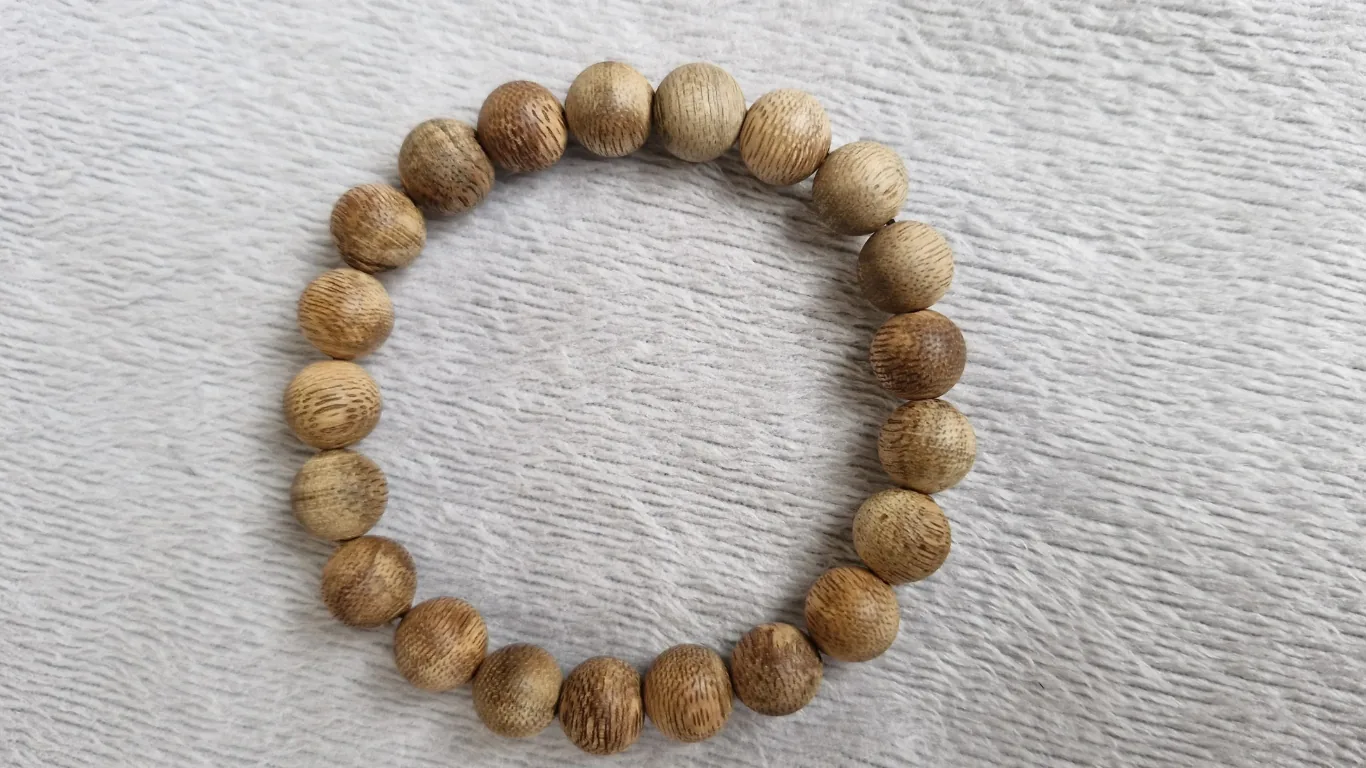
Apr
As a Master Agarwood Appraiser based in Tu Son, Vietnam, my journey through the fragrant world of oud has brought me countless encounters with both exquisite genuine pieces and cunning imitations. Among the most frequent inquiries I receive, none is more disheartening than the lament: “My new agarwood bracelet lost its smell within weeks! Why?” This isn’t just a question; it’s often a symptom of a deeper issue, a widespread misunderstanding fueled by marketing myths and the proliferation of counterfeit products.
Today, we’re cutting through the noise. We’re going beyond superficial explanations and delving into the physical facts, the botanical realities, and the time-honored traditions that define true agarwood. If your cherished bracelet’s aroma vanished faster than a whisper in the wind, the harsh truth is likely that you were never in possession of genuine, high-resin Aquilaria Crassna. You probably acquired a mass-produced item, superficially treated with synthetic fragrance oils or chemical lacquers – a sad but common occurrence in an unregulated market.
At OudWood Vietnam, nestled in the heart of Khanh Hoa province, near the pristine shores of Nha Trang, we stand as guardians of authentic Vietnamese agarwood. Our mission is to educate, to enlighten, and to provide collectors and enthusiasts worldwide with 100% pure, natural agarwood products, ethically sourced and meticulously crafted. Join me as we uncover the secrets of enduring aroma and distinguish the ephemeral from the eternal in the world of agarwood bracelets.
The Disappearing Act: Unmasking the Truth Behind Fading Agarwood Bracelet Scents
The sudden disappearance of scent from a newly acquired agarwood bracelet is a tale as old as the booming agarwood market itself, and almost invariably, it points to one central culprit: inauthenticity. Genuine agarwood, specifically the revered Aquilaria Crassna from regions like Vietnam’s Khanh Hoa province, possesses a deeply embedded, complex aromatic profile that doesn’t simply “vanish.” Its fragrance is an intrinsic part of its being, a natural treasure formed over decades, if not centuries, within the heartwood of the Aquilaria tree.
Imagine purchasing a piece of aged oak furniture; its natural woody scent might fade over time with lack of ventilation, but the wood itself never becomes entirely odorless. The same principle applies to authentic agarwood, albeit with far greater aromatic intensity due to its unique resinous composition. When a bracelet’s scent dissipates within weeks or even a few months, it’s a clear indicator that the initial fragrance was a superficial application, a fleeting illusion. These surface-level treatments, typically synthetic fragrance oils, industrial sealants, or chemical lacquers, are designed to mimic the allure of true agarwood. However, they lack the molecular stability and depth of natural agarwood resin.
Once exposed to the warmth of human skin, the natural oils our bodies produce, and the ambient air, these volatile chemical compounds rapidly evaporate. What’s left behind is often a piece of low-grade, scentless wood – the underlying material that was never true agarwood to begin with, or at best, very poor quality wood. This experience is not only disappointing but also a painful lesson for many who fall prey to misleading marketing. At OudWood Vietnam, our commitment is to pure, unadulterated agarwood, ensuring that the aroma you experience is always a gift from nature, not a laboratory concoction. We focus on revealing the true, deep-seated resinous aroma, which, with proper care, can be enjoyed for generations.
Genuine vs. Counterfeit: Decoding the Agarwood Spectrum
To truly understand why a bracelet might lose its smell, we must first establish a clear distinction between genuine agarwood and its myriad counterfeits. Authentic agarwood is the resinous heartwood of the Aquilaria tree, specifically Aquilaria Crassna in Vietnam, which forms as a defense mechanism against fungal infection. This dark, dense oleoresin is the source of agarwood’s prized fragrance. It’s a natural, organic process, taking decades to yield high-quality material. When you wear a bracelet crafted from such wood, the heat from your wrist gently warms these internal resins, causing their complex molecules to become more volatile and release their characteristic aroma. This is a subtle, evolving scent – never overpowering, always nuanced.
In contrast, counterfeit agarwood often begins its life as cheap, white, non-resinous wood from various trees (sometimes even non-Aquilaria species). To imbue it with a “fragrance,” these pieces undergo various artificial treatments. The most common methods include injecting the wood with synthetic oud oil, dipping it in chemical fragrance solutions, or coating it with scented lacquers and dyes to mimic the dark appearance of resinous agarwood. The initial scent from these fakes can often be surprisingly strong, even overwhelming, designed to immediately impress and deceive. This potent but artificial aroma is the “marketing myth” in action – a quick, superficial appeal that ultimately fails the test of time and authenticity.
The fundamental difference lies in the source of the scent. Genuine agarwood’s aroma originates from within its very fibers, an integral part of its structure. Fake agarwood’s scent is an external application, a temporary veneer. OudWood Vietnam prides itself on offering only 100% pure, natural agarwood, sourced directly from the pristine forests of Khanh Hoa, Vietnam. Our Aquilaria Crassna is renowned for its rich resin content and unparalleled aromatic depth, meticulously crafted into products ranging from bracelets to incense, all bearing the CITES certification of authenticity and sustainable sourcing. We believe in providing an experience that honors the true essence of this magnificent wood, ensuring its enduring fragrance is a testament to nature’s artistry.
The Anatomy of a Fake: Common Scams and How to Spot Them
Understanding the common tactics employed in creating counterfeit agarwood bracelets is paramount for any discerning collector or enthusiast. The market is unfortunately saturated with imitations, each designed to deceive buyers with a fleeting resemblance to genuine oud. These fakes are the primary reason many experience the “lost smell” phenomenon. Let’s break down the most prevalent types:
- Artificially Enhanced Low-Grade Wood: This is perhaps the most common scam. Low-grade or even non-agarwood (like acacia or rubberwood) is injected with pressurized synthetic oud oils or chemical fragrance solutions. The wood often appears unnaturally dark and uniform in color due to added dyes, and may feel greasy or waxy to the touch. The initial scent is usually very strong, almost cloying, and often lacks the complex, evolving nuances of natural agarwood. Once the volatile solvents carrying the synthetic scent evaporate, the wood beneath becomes inert and odorless.
- Surface Coatings and Lacquers: Some manufacturers apply a scented lacquer or sealant to the surface of low-quality wood. This coating gives the wood a glossy finish and traps a synthetic fragrance, providing an immediate aromatic impact. However, these coatings quickly wear off with friction, exposure to skin oils, and ambient air. They also block the natural pores of the wood, preventing any underlying, albeit minimal, natural aroma from ever reaching the surface.
- “Boiled” or “Cooked” Wood: This method involves boiling low-grade agarwood chips or other wood in synthetic oud oil or a mixture of chemicals to force absorption. While the wood might absorb some color and fragrance, the process degrades its natural cellular structure and the scent is not integrated naturally. The aroma released is often flat and one-dimensional, and like injected wood, fades as the synthetic compounds leach out or evaporate.
The “Tu Son Approach” to appraisal, which we practice, emphasizes thermal and physical analysis through the lens of resin density. Genuine Aquilaria Crassna derives its scent from intricate internal oleoresin trapped within the xylem fibers. When heated gently by your skin, these resins naturally release their aroma. Conversely, commercial “fake” bracelets, particularly those made of white wood injected with pressurized chemical oils, rely on volatile top layers. Once these evaporate, the wood underneath is essentially inert. Furthermore, chemical fakes often employ industrial sealants that block the wood’s natural pores, preventing any true interior aroma from reaching the surface. A genuine piece, appraised under strict UDAG standards, will always reveal its true nature through consistent density, natural grain patterns, and an evolving, deep-seated fragrance that resists quick dissipation.
| Feature | Genuine Agarwood Bracelet | Counterfeit Agarwood Bracelet |
|---|---|---|
| Scent Longevity | Long-lasting, evolves over time, needs warmth to activate; never truly “loses” scent. | Fades rapidly (weeks to months), initially strong but quickly disappears. |
| Scent Profile | Complex, nuanced, earthy, sweet, woody, sometimes spicy/fruity; natural and subtle. | Often overpowering, one-dimensional, chemical, perfume-like, sometimes acrid. |
| Appearance | Natural variations in color (dark streaks/patterns due to resin), often irregular grain, sometimes visible resin deposits. Can develop a natural patina. | Unnaturally uniform dark color, sometimes glossy due to coatings, lack of distinct natural grain, might appear “too perfect.” |
| Texture | Dry, firm, natural wood feel; may feel slightly oily from natural resin but not greasy. | Often greasy, waxy, or sticky from chemical injections/coatings. Can feel unnaturally smooth. |
| Weight/Density | Generally denser than regular wood, higher resin content can lead to sinking in water (Sinking Grade). | Often lighter, feels like regular wood, may or may not sink depending on foreign additives. |
| Price | Reflects rarity, age, resin content; generally high, especially for higher grades. | Suspiciously low for what is claimed to be “high quality” agarwood. |
| Origin/Sourcing | Ethical, CITES certified, clear provenance from specific regions (e.g., Khanh Hoa, Vietnam for OudWood Vietnam). | Vague or undisclosed origin, no certifications, often from unknown sources. |
The Science of Scent: Why Authentic Agarwood Endures
The enduring, captivating aroma of authentic agarwood is not a mere accident; it is a masterpiece of natural biochemistry, a symphony of organic compounds meticulously orchestrated over decades within the heartwood of the Aquilaria tree. Unlike synthetic fragrances that are typically composed of a few dominant aroma chemicals, genuine agarwood, particularly Vietnamese Aquilaria Crassna, boasts a molecular complexity that is truly astonishing. Scientists have identified hundreds of different volatile organic compounds within natural oud oil, including sesquiterpenes, chromones, and other oxygenated compounds, each contributing to its multifaceted, evolving scent profile.
This intricate oleoresin is formed when the Aquilaria tree responds to injury or fungal infection, secreting a dark, aromatic resin to protect itself. This natural defense mechanism is a slow process, often taking 10 to 30 years for commercially viable resin to form, and much longer for the rarest Ky Nam (Kyara) grades. The resin isn’t just on the surface; it saturates the wood fibers deep within, permeating the cellular structure. When you wear an authentic agarwood bracelet from OudWood Vietnam, the subtle warmth of your body (typically around 37°C or 98.6°F) gently elevates the temperature of the wood. This slight increase in thermal energy provides the activation necessary for these complex resin molecules to volatilize, releasing their aroma into the air. It’s a gentle, continuous release, evolving over hours and even days, rather than an abrupt burst of fragrance.
Moreover, the higher the resin content, the richer and more enduring the scent. OudWood Vietnam’s Grade A agarwood, for instance, typically boasts a resin content of 15-25%, making it exceptionally fragrant and resilient. Our prized “Sinking Grade” agarwood, so dense with resin that it sinks in water, represents the pinnacle of this natural process, offering unparalleled depth and longevity of aroma. The scent of genuine agarwood is often described as woody, sweet, balsamic, musky, with hints of spice, tobacco, and even subtle fruity or floral undertones depending on its origin and age. This nuanced complexity is something synthetic oils simply cannot replicate, making the enduring, evolving scent of natural Vietnamese agarwood a truly unique and cherished experience.
Preserving Your Precious Piece: Caring for Authentic Agarwood Bracelets
Owning an authentic agarwood bracelet from OudWood Vietnam is a privilege, and like any precious natural treasure, it thrives with proper care. While genuine agarwood doesn’t “lose” its smell in the way a fake might, its aroma can become temporarily subdued or masked if not cared for correctly. Understanding how to maintain its natural radiance and fragrance ensures you enjoy its therapeutic and aesthetic qualities for many years.
- Gentle Cleaning: Agarwood bracelets should be cleaned sparingly and gently. Avoid harsh chemical cleaners, soaps, or detergents, as these can strip away natural oils and potentially damage the resin. Instead, use a soft, dry, lint-free cloth (like a microfiber cloth) to gently wipe away any accumulated dust or skin oils. For a deeper cleanse, very lightly dampen the cloth with pure water (not tap water with chlorine) and immediately dry the beads thoroughly. Ensure no water penetrates the wood for prolonged periods.
- Avoid Direct Contact with Liquids and Chemicals: This is perhaps the most crucial rule. Remove your agarwood bracelet before showering, swimming, washing dishes, or applying lotions, perfumes, and hand sanitizers. The alcohol and chemicals in these products can dissolve the natural resins, dry out the wood, and significantly diminish its fragrance.
- Proper Storage: When not wearing your bracelet, store it in a cool, dry place away from direct sunlight, extreme temperatures, and strong odors. A wooden box, a soft pouch, or even its original packaging from OudWood Vietnam is ideal. Avoid storing it in airtight containers for very long periods, as the wood needs to “breathe.” Never leave it in a hot car or directly in sunlight, as excessive heat can cause the wood to dry out or even crack.
- “Reactivating” the Scent: If you feel your bracelet’s scent has become subdued, it might simply need a gentle activation. Wear it on your wrist for a few hours, allowing your body heat to warm the beads and release the natural resins. You can also gently rub the beads between your fingers for a few moments, creating slight friction and warmth. Sometimes, letting the bracelet rest for a day or two in open air can also help “refresh” its aroma by allowing any absorbed ambient odors to dissipate.
- Allow it to Rest: Just like fine jewelry, agarwood benefits from occasional rest. Wearing it constantly, especially in hot or humid conditions, can lead to it absorbing more skin oils and requiring more frequent gentle cleaning. Rotating between a few bracelets, or simply allowing your cherished piece a day off, can help preserve its natural vibrancy.
With consistent, mindful care, your authentic Vietnamese agarwood bracelet from OudWood Vietnam will not only retain its exquisite fragrance but may even develop a beautiful, rich patina over time, becoming a truly personal and aromatic heirloom.
The Investment and Legacy of Vietnamese Agarwood
Beyond its captivating aroma and aesthetic appeal, genuine Vietnamese agarwood represents a significant investment and carries a profound cultural legacy. For centuries, agarwood has been revered across Asia, the Middle East, and increasingly the Western world, not just for its fragrance but also for its spiritual, medicinal, and symbolic value. In Vietnam, particularly in regions like Khanh Hoa, the art of cultivating and crafting agarwood is deeply interwoven with artisan traditions passed down through generations. This is not merely a commodity; it is a sacred material, a “wood of the gods,” cherished in Buddhist ceremonies, Islamic rituals, and for meditation and yoga practices.
The rarity of high-quality agarwood, coupled with the meticulous, time-consuming process of its natural formation, contributes to its status as a luxury good and a stable investment. Unlike many fluctuating markets, top-grade agarwood, especially the legendary Ky Nam (Kyara) from Vietnam, often appreciates in value over time due to diminishing natural supplies and increasing global demand. Collectors around the world seek out Vietnamese agarwood for its unparalleled resin quality and unique aromatic profile, often described as complex, sweet, and deeply spiritual – a characteristic attributed to the specific terroir and Aquilaria Crassna species found in regions like Nha Trang.
When comparing Vietnamese agarwood to that from other origins, such as Cambodia, Malaysia, or Indonesia, connoisseurs often highlight the distinct sweetness, brightness, and pronounced “honeyed” notes characteristic of Vietnamese Aquilaria Crassna. While other origins offer beautiful profiles, Vietnamese agarwood is frequently cited for its superior resin content and the harmonious balance of its scent, making it highly coveted for incense, essential oil, and exquisite bracelets alike. At OudWood Vietnam, we are committed to upholding this legacy. Our agarwood is not only 100% pure and natural but also CITES certified, ensuring ethical sourcing and sustainable practices. This commitment extends to our entire product range, from raw chips and essential oil to incense sticks, cones, and backflow cones, all crafted with a natural litsea bark binder and absolutely zero synthetic chemicals, DPG, charcoal boosters, or artificial dyes. We offer more than just products; we offer a piece of Vietnam’s rich heritage, a sensory journey, and a truly authentic investment in nature’s purest luxury.
Choosing Authenticity: Why OudWood Vietnam Stands Apart
In a world where the search for authentic agarwood can be fraught with uncertainty, OudWood Vietnam stands as a beacon of trust, transparency, and uncompromising quality. Our foundation is built upon a profound respect for the Aquilaria Crassna tree and the ancient Vietnamese traditions of agarwood cultivation and craftsmanship. We are not just a supplier; we are stewards of a precious natural resource, dedicated to bringing the purest agarwood experience from the heart of Khanh Hoa province, near Nha Trang, to your home.
Our commitment to 100% pure, natural agarwood is the cornerstone of our brand. We meticulously source our agarwood directly from sustainable plantations and carefully managed wild harvesting initiatives in Vietnam, ensuring that every chip, every bead, every drop of oil is free from adulteration. This dedication means:
- Zero Synthetic Chemicals: We never use artificial fragrances, chemical fillers, or synthetic oud oils. The aroma you experience is always the natural, complex fragrance of genuine Aquilaria Crassna resin.
- Natural Binders Only: For our incense products, we exclusively use natural litsea bark binder (bời lời/楠木皮粉), eschewing cheaper, less natural alternatives. This ensures a clean burn and a pure aromatic release.
- No Harmful Additives: We proudly state “zero DPG, zero charcoal boosters, zero artificial dyes.” Our agarwood products are free from the harsh chemicals often found in mass-produced items, ensuring a healthier and more authentic experience.
- Ethical & Legal Sourcing: All our agarwood is CITES certified, guaranteeing that it has been sourced legally and sustainably. We also ensure our products are TSA compliant for hassle-free international shipping, making the world of premium Vietnamese agarwood accessible to all.
Whether you are seeking the grounding aroma of an agarwood bracelet for daily wear, the serene ambiance created by our incense sticks, cones, or coils for meditation and yoga, or the profound depth of our raw agarwood chips for a truly traditional experience, OudWood Vietnam offers a product for every connoisseur. We cater to home aromatherapy enthusiasts, luxury gifting needs, and serious collectors, providing a diverse range of grades from fragrant Grade A (15-25% resin) to the legendary Ky Nam/Kyara and rare Sinking Grade material.
By choosing OudWood Vietnam, you are not just purchasing agarwood; you are investing in authenticity, sustainability, and a sensory journey that connects you to the ancient traditions and unparalleled natural beauty of Vietnam. Experience the true, enduring aroma that only genuine agarwood can provide, and never again worry about a fading fragrance.
Frequently Asked Questions About Agarwood Bracelets
Can genuine agarwood ever truly “lose” its smell?
Genuine agarwood doesn’t “lose” its smell in the way a fake one does. Its aroma is deeply embedded resin. However, the scent can become temporarily subdued if exposed to strong odors, excessive dryness, or simply if the resin needs a gentle “warming” from body heat to become active. It’s an internal, enduring scent, not a surface application that evaporates.
How often should I wear my agarwood bracelet to maintain its scent?
Wearing your agarwood bracelet regularly (a few hours a day or every other day) is ideal. The natural warmth and oils from your skin help to activate and gently replenish the resin’s aromatic release. However, it’s also good to let it rest occasionally, perhaps for a day or two, away from strong odors, to allow it to “reset” and air out naturally.
What’s the best way to clean my agarwood bracelet?
The best way to clean an agarwood bracelet is to gently wipe it with a soft, dry, lint-free cloth. Avoid any water, soaps, or chemical cleaners, as these can strip natural resins and damage the wood. If absolutely necessary, a very slightly dampened cloth with pure water can be used, followed immediately by thorough drying.
How can I verify if my agarwood bracelet is real?
Authentic agarwood has an evolving, complex, and subtle scent that lasts. It won’t smell overly sweet or perfume-like. Look for natural variations in color and grain, rather than uniform darkness. Genuine pieces often feel substantial and dry, not greasy. A good indicator is buying from a reputable, CITES-certified vendor like OudWood Vietnam, who can guarantee the origin and purity of their Aquilaria Crassna.
What’s the significance of “sinking grade” agarwood?
Sinking grade agarwood is the highest quality and most resinous agarwood, so dense with natural oleoresin that it literally sinks when placed in water. This extreme density of resin translates to an incredibly rich, deep, and long-lasting aroma, making it highly prized by collectors and for its therapeutic properties. It’s a rarity, representing peak natural formation.
Why is Vietnamese Aquilaria Crassna considered premium?
Vietnamese Aquilaria Crassna, particularly from regions like Khanh Hoa/Nha Trang, is highly esteemed for its superior resin quality and distinctive aromatic profile. Connoisseurs often describe its scent as having unique sweet, bright, and honeyed notes, with exceptional depth and complexity that set it apart from agarwood from other origins. Its rarity and the traditional artisan techniques employed in Vietnam also contribute to its premium status.
Is OudWood Vietnam’s agarwood CITES certified?
Yes, all of OudWood Vietnam’s agarwood is CITES certified. This certification guarantees that our agarwood is sourced legally, ethically, and sustainably, adhering to international regulations for protected species. This provides our customers with peace of mind regarding the authenticity and responsible provenance of their purchase.
What other products does OudWood Vietnam offer?
OudWood Vietnam offers a comprehensive range of 100% pure, natural agarwood products. This includes agarwood incense sticks, cones, coils, backflow cones, raw agarwood chips, pure agarwood essential oil, and, of course, our exquisite agarwood bracelets. All our products adhere to our strict quality standards: zero synthetics, DPG, charcoal boosters, or artificial dyes, and crafted with natural litsea bark binder for incense.
Ready to experience the true, enduring aroma of authentic Vietnamese agarwood? Explore our collection of ethically sourced, 100% pure agarwood products, from luxurious bracelets to aromatic incense, and embark on a sensory journey like no other. Visit us at OudWood Vietnam.
📌 Essential Collector Guides & Sinking Bracelets:
- Pillar Connoisseur Guide: The Most Expensive Agarwood Bracelets (Japanese Sinking Kinam Valuation)
- Authentication Guide: How to Spot Fake vs Real Agarwood Bracelets (7 Collector Tests)
- Market Price Benchmark: Agarwood Price Per Kg 2026 (Wild vs Cultivated Rates)
- Featured Sinking Piece: Japanese Sinking Kinam Bracelet (100% Wild Khanh Hoa Beads)
- Shop Collection: Browse All Authentic Vietnamese Agarwood Bracelets

Oud Wood Agarwood Chips
Hoi An Oud Wood Agarwood Chips | Doi De A | Grade A++ | 20g
Oud Wood Agarwood Chips
Khanh Hoa Oud Wood Agarwood Chips | Chop Mu A | Grade A++ | 20g
Oud Wood Agarwood Chips
Natural Oud Wood Agarwood Chips | Mo | Grade A | 30g