
Oud Agarwood
Vietnamese vs Indonesian Agarwood: Scent Profile & Quality Battle
May
In the rarefied world of luxury fragrances, few substances command the mystique and reverence of agarwood, often hailed as ‘the wood of the gods.’ This precious resinous heartwood, born from the protective self-healing process of Aquilaria trees, has captivated civilizations for millennia, from ancient pharaohs and emperors to contemporary connoisseurs. Its complex, ethereal aroma transcends mere scent, touching upon spirituality, status, and an appreciation for nature’s profound artistry. Yet, within this esteemed category, not all agarwood is created equal. The origin of the wood profoundly shapes its character, leading to a fascinating discourse among enthusiasts. To truly compare Vietnam agarwood vs Indonesian agarwood is to embark on a meticulous olfactory journey, exploring the subtle yet significant nuances carved by distinct terroirs, species, and cultivation practices. At OudWood Vietnam, we believe in shedding light on these distinctions, offering an expert guide to help you navigate the intricate landscape of this most treasured wood.
While both Vietnam and Indonesia are pivotal players in the global agarwood market, their respective contributions offer vastly different aromatic experiences. Vietnam, particularly renowned for its Aquilaria crassna species, cultivates a reputation for producing some of the world’s most sought-after and exquisite agarwood, often considered the gold standard. Indonesia, a vast archipelago, is a major producer with a broader range of species and a diverse array of profiles, each unique to its island of origin. This article will delve deep into the environmental conditions, botanical specifics, traditional practices, and, most importantly, the distinctive aroma profiles that set these two agarwood titans apart, guiding you towards an informed appreciation and selection.
The Esteemed Terroir of Vietnam: A Symphony of Scent and Spirit
The global agarwood market often whispers the name “Vietnam” with a particular reverence, especially when discussing the pinnacle of aromatic excellence. This distinction is far from arbitrary; it is meticulously crafted by a unique confluence of geographical, climatic, and botanical factors that define the Vietnamese terroir. Central to this prestige is the region of Central Vietnam, particularly the mountainous landscapes of Khanh Hoa province, home to the renowned Nha Trang agarwood. It is here, amidst the cool mist and mineral-rich soils, that the Aquilaria crassna species thrives, producing resin of unparalleled depth and complexity.
What makes this specific Vietnamese microclimate so special? Unlike the more rapid resin formation often seen in hotter, more humid tropical zones, the cooler temperatures and distinct soil composition of Central Vietnam foster a remarkably slow and gradual maturation process for the agarwood resin. This prolonged development allows for an intricate molecular restructuring, leading to a richer, more multifaceted olfactive profile. The resultant aroma is typically characterized by a sublime sweetness, reminiscent of honey or ripe fruit, interwoven with delicate floral notes and a clean, almost ethereal woodiness. Many connoisseurs also detect a unique “cooling” or mentholic nuance, especially in higher grades like Ky Nam (Kyara), a hallmark rarely found in other origins. This signature coolness adds a refreshing dimension, elevating the fragrance from merely woody to an exquisite, almost spiritual experience.
The artisanal traditions in Vietnam further safeguard the quality and authenticity of its agarwood. Generations of growers and harvesters have developed a deep understanding of the Aquilaria crassna tree, employing sustainable practices that prioritize the tree’s health and the integrity of the resin. At OudWood Vietnam, our agarwood originates from these very regions in Khanh Hoa, Nha Trang, where careful cultivation and ethical sourcing are paramount. Our commitment extends to offering 100% pure, natural agarwood, free from any synthetic chemicals, charcoal boosters, or artificial dyes. This dedication ensures that every incense stick, coil, or raw chip you experience embodies the true, unadulterated spirit of Vietnamese agarwood, making it an ideal choice for meditation, yoga, or creating an ambiance of profound tranquility. The distinct sweetness, longevity, and purity of Vietnamese agarwood make it a cherished luxury, often sought after by collectors and those seeking the highest quality for personal enjoyment or gifting.
The Vast and Varied Landscape of Indonesian Agarwood
Shifting our gaze to the sprawling Indonesian archipelago, we encounter an entirely different panorama of agarwood production. Indonesia, a nation of over 17,000 islands, stands as one of the world’s largest producers and exporters of agarwood. This vastness, while contributing to sheer volume, also accounts for the immense diversity in its agarwood profiles. Unlike Vietnam’s more concentrated production of a dominant species, Indonesia is home to numerous Aquilaria species, including A. malaccensis, A. microcarpa, A. filaria, and others, each contributing distinct characteristics to the resulting resin.
The tropical climate across the Indonesian islands — characterized by high humidity and consistent warmth — plays a significant role in the resin formation process. Generally, this environment can lead to a more rapid development of agarwood compared to the slower maturation in Vietnam’s cooler climes. The resultant aroma profiles tend to be robust, often described as earthy, spicy, deep woody, and sometimes displaying leathery or animalic nuances. While powerful and distinctive, these scents can, at times, be less nuanced or complex than the multi-layered fragrance of Vietnamese agarwood. However, this is not to diminish their appeal; many connoisseurs specifically seek out Indonesian agarwood for its grounding, strong, and sometimes “barny” or rustic qualities, which offer a different kind of aromatic experience.
The specific island of origin within Indonesia further refines the agarwood’s character. For instance, agarwood from Kalimantan (Borneo) is often prized for its strong, earthy, and sometimes slightly smoky notes, with a rich, dark woody base. Merauke, located in Papua, frequently yields agarwood with a more robust, sometimes peppery and deeply resinous profile. Sumatra might offer slightly sweeter undertones, while Sulawesi can lean towards more pronounced spicy and woody notes. This regional variation means that “Indonesian agarwood” is not a monolithic category but rather a spectrum of diverse scents, each appealing to different preferences and uses. While this broad array provides options, it can also pose challenges in terms of consistency and finding a specific, repeatable profile, a stark contrast to the more consistent and universally acclaimed signature of Vietnamese agarwood.
The scale of production in Indonesia, combined with varying environmental factors, also means that the resin content and density can fluctuate significantly. While excellent sinking-grade Indonesian agarwood certainly exists and is highly valued, the average quality can be more variable than what is typically found from premium Vietnamese sources. For those seeking a strong, traditional woody incense or oil with a definitive presence, Indonesian agarwood offers a compelling, often more accessible choice. However, for those pursuing unparalleled sweetness, complexity, and ethereal purity, the journey often leads back to the exquisite offerings of Vietnam.
Olfactory Journey: A Deep Dive into Aroma Profiles
The true essence of comparing Vietnamese and Indonesian agarwood lies in their captivating aroma profiles. This is where the subtleties of terroir, species, and maturation truly manifest, painting vivid pictures for the olfactory senses. As a respected oud collector will attest, distinguishing between these scents is not just an academic exercise but a deeply personal, evocative experience.
Vietnamese Agarwood: The Epitome of Sweet Ethereality
When one experiences authentic Vietnamese agarwood, particularly from premium sources like OudWood Vietnam’s Khanh Hoa reserves, the prevailing sensation is one of exquisite sweetness and profound cleanliness. The scent profile is remarkably complex and evolving:
- Sweetness: This is often the dominant opening note, reminiscent of pure honey, dried fruits, ripe plums, or even caramel. It’s a natural, refined sweetness, never cloying or artificial.
- Floral/Fruity Undertones: Beneath the sweetness, delicate whispers of white florals or a subtle fruity zest can emerge, adding layers of sophistication.
- Ethereal Woodiness: The woody core is clean, light, and almost translucent, devoid of heavy earthiness or smoke. It’s a refined timber aroma that feels uplifting rather than grounding.
- “Cooling” or Mentholic Nuance: A distinctive and highly prized characteristic, especially in Ky Nam (Kyara) grades, is a refreshing, subtle mentholic or “cooling” effect. This unique facet adds incredible dimension and vibrancy.
- Spiciness: A delicate, often cinnamon-like or peppery spice can subtly weave through, providing warmth without overt heat.
- Longevity & Projection: Vietnamese agarwood is celebrated for its remarkable tenacity and gentle, yet pervasive, sillage. The scent tends to linger beautifully, evolving gracefully over time.
The aroma is often described as “bright,” “uplifting,” and “spiritual,” making it highly sought after for meditation, fine fragrance, and creating an atmosphere of serene luxury. OudWood Vietnam’s incense sticks, cones, and raw chips exemplify this purity, with a natural litsea bark binder ensuring the unadulterated release of these precious notes.
Indonesian Agarwood: Earthy Depth and Robust Character
In contrast, Indonesian agarwood generally presents a more immediate, robust, and sometimes rustic character. While highly variable by island, common themes emerge:
- Earthiness: A strong, foundational earthy note, often reminiscent of damp soil, forest floor, or rich loam. This provides a deep, grounding quality.
- Spiciness & Pepperiness: Pronounced spice is a frequent feature, ranging from black pepper to hotter, more pungent notes.
- Deep Woodiness: The woody base is typically heavier, darker, and more pronounced than Vietnamese agarwood, evoking ancient timbers and deep forests.
- Leathery/Animalic Accents: Some Indonesian varieties, particularly from older trees or specific regions, can display subtle leathery, musky, or even “barny” animalic nuances, which are highly prized by certain collectors for their raw intensity.
- Smoky/Resinous: A smoky or tar-like resinous quality can sometimes be present, especially in agarwood that has formed closer to the bark or from specific species.
- Robust Projection: Indonesian agarwood often has a powerful initial projection, filling a space with its strong presence.
Indonesian agarwood is often described as “powerful,” “grounding,” and “assertive.” It’s an excellent choice for those who appreciate a more traditional, intense agarwood experience, perfect for creating a warm, inviting, or profoundly meditative atmosphere. Its diversity ensures that there’s an Indonesian oud for almost every preference, from the deep earthiness of Kalimantan to the robust woodiness of Merauke.
Factors Influencing Quality and Price: Beyond Just Origin
While origin plays a colossal role in defining agarwood’s character, numerous other factors intricately weave together to determine its overall quality, rarity, and ultimately, its market value. A true understanding of agarwood requires looking beyond a simple geographical label to appreciate the delicate interplay of botany, biology, and human craftsmanship.
Agarwood Species: The Botanical Blueprint
The Aquilaria genus encompasses over 15 distinct species, each with unique genetic predispositions influencing resin formation and aromatic compounds. In Vietnam, the Aquilaria crassna species is predominantly responsible for its esteemed agarwood. This species is celebrated for its ability to produce resins with the coveted sweet, complex, and sometimes “cooling” profile. In contrast, Indonesia is home to a wider array of species, including Aquilaria malaccensis, A. microcarpa, A. filaria, and others. Each of these contributes to the broad spectrum of Indonesian agarwood aromas, from the earthy and spicy to the more robust and animalic. While all produce agarwood, the inherent genetic differences mean some species are more prone to developing particular aromatic qualities.
Resin Content and Density: The Heart of the Aroma
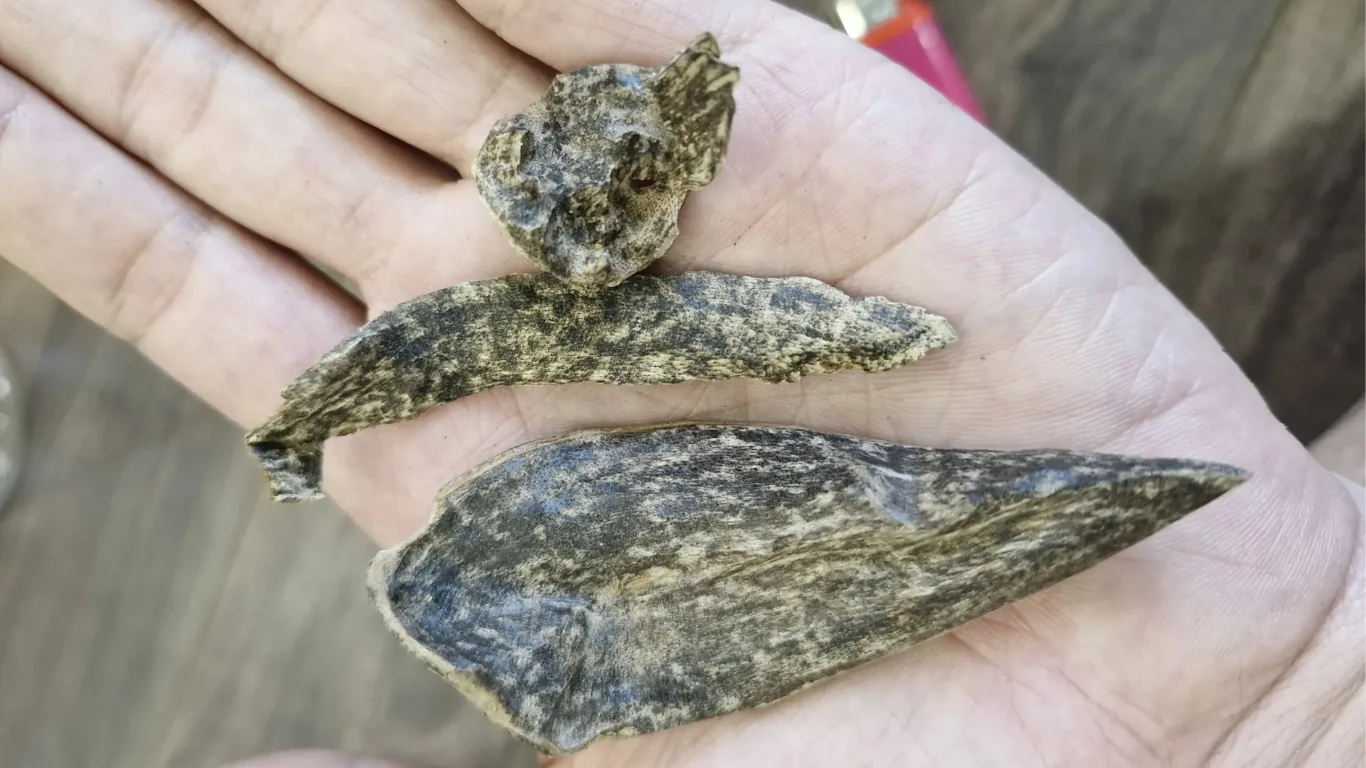
The true value of agarwood lies in its resin. Higher resin content directly correlates with a richer aroma, greater longevity, and increased density. This is often visible as darker veins or streaks within the wood. At OudWood Vietnam, we meticulously grade our agarwood, with our Grade A agarwood chips boasting an impressive 15-25% resin content – far superior to many commercial offerings. This high resin saturation is also what contributes to the coveted “sinking grade” agarwood, where the wood is so dense with resin that it sinks in water. Such pieces are exceedingly rare and command premium prices due to their intense, long-lasting fragrance.
Age and Maturation: Time’s Hand in Fragrance
Like fine wine, agarwood improves with age. The longer the resin has had to mature within the Aquilaria tree, the more complex, refined, and stable its aromatic profile becomes. Vietnamese agarwood, benefiting from slower resinification processes, often embodies this principle beautifully. Older trees and older resin deposits yield scents that are deeper, sweeter, and more nuanced. Conversely, younger, less mature agarwood, while still fragrant, may lack the profound depth and sophisticated layers that connoisseurs seek.
Harvesting, Processing, and Sustainability: The Human Touch
The methods of harvesting and processing agarwood significantly impact its final quality. Sustainable and ethical harvesting practices, which ensure the longevity of the Aquilaria forests, are paramount. At OudWood Vietnam, our commitment to CITES certification underscores our dedication to responsible sourcing. Furthermore, the meticulous cleaning and preparation of agarwood, removing non-resinous wood, directly influence the purity of the scent when burned or distilled. Unscrupulous practices, such as using chemicals to artificially induce resin or enhance color, compromise the natural integrity of the wood and its aroma. Our promise of 100% pure, natural agarwood, free from synthetics or charcoal, guarantees an authentic experience.
Rarity and Demand: The Market’s Influence
Ultimately, the scarcity of high-quality, naturally formed agarwood from specific regions, particularly Vietnam, drives its market value. The extremely limited supply of Ky Nam (Kyara), the highest grade of Vietnamese agarwood, makes it one of the most expensive natural materials on earth. While Indonesian agarwood is generally more abundant and thus more accessible, exceptional specimens from specific islands or older trees can still command high prices, reflecting their unique qualities and the universal demand for this “wood of the gods.”
Authenticity and Ethical Sourcing: The OudWood Vietnam Standard
In a market often fraught with ambiguity and misrepresentation, the importance of authenticity and ethical sourcing cannot be overstated. The allure of agarwood’s high value has unfortunately led to the proliferation of diluted, adulterated, or even entirely synthetic products. For the discerning consumer and the conscientious collector, understanding a brand’s commitment to purity and sustainability is paramount. This is where OudWood Vietnam proudly distinguishes itself, setting a benchmark for integrity in the agarwood industry.
Our philosophy is simple yet profound: to deliver the purest, most natural agarwood experience possible. All our agarwood products, whether incense sticks, cones, coils, or raw chips, originate directly from the esteemed Khanh Hoa province in Vietnam, renowned for its superior Aquilaria crassna species. This direct sourcing allows us to maintain stringent quality control from forest to final product, ensuring complete traceability and authenticity. We stand by our promise of 100% pure, natural agarwood, cultivated with respect for the environment and the revered traditions of Vietnamese artisans.
A significant differentiating factor for OudWood Vietnam is our unwavering commitment to product purity. We categorically reject the use of any synthetic chemicals, artificial fragrances, or harmful additives that are unfortunately common in lower-grade agarwood products. This means:
- Zero DPG (Dipropylene Glycol): A common solvent used to dilute oud oil, which can alter and diminish the natural fragrance.
- Zero Charcoal Boosters: Used in many incense products to create a strong smoke, but which can mask the true agarwood aroma and introduce unhealthy byproducts.
- Zero Artificial Dyes: We celebrate the natural color of agarwood, ensuring no artificial enhancements are used.
- Natural Litsea Bark Binder (bời lời/楠木皮粉): For our incense products, we exclusively use natural litsea bark powder as a binder. This traditional, natural ingredient is scentless and allows the agarwood’s true aroma to shine through without interference, unlike synthetic binders or harsh chemicals.
Furthermore, our dedication extends to ethical and legal compliance. OudWood Vietnam is proud to be CITES certified, ensuring that all our agarwood is sourced and traded in accordance with international regulations aimed at protecting endangered species. This certification provides peace of mind, knowing that your purchase supports responsible forestry and conservation efforts. Our products are also TSA compliant and legal for international shipping, facilitating a seamless experience for our global clientele.
By choosing OudWood Vietnam, you’re not just acquiring agarwood; you’re investing in a legacy of purity, craftsmanship, and environmental stewardship. You’re selecting a product that respects its origins, celebrates its natural essence, and delivers an unadulterated aromatic experience, whether for personal enjoyment, spiritual practice, or as a thoughtful, luxurious gift.
Applications and Use Cases: Embracing the Spirit of Agarwood
The captivating aromas of agarwood, whether the sweet ethereal notes of Vietnam or the deep earthiness of Indonesia, lend themselves to a myriad of applications, enriching lives across cultural, spiritual, and personal domains. Understanding the nuances of each origin can help in selecting the perfect agarwood product for specific intentions, allowing one to truly embrace the “spirit of agarwood.”
Meditation, Yoga, and Spiritual Practices
For centuries, agarwood has been revered in spiritual traditions across Asia and the Middle East for its ability to calm the mind, deepen focus, and facilitate a connection to higher states of consciousness. The clean, uplifting, and slightly cooling fragrance of Vietnamese agarwood is particularly cherished for meditation and yoga. Its ethereal quality helps to purify the atmosphere, clear mental clutter, and promote a sense of profound peace and introspection. Lighting an OudWood Vietnam incense stick or burning a small chip of raw agarwood before or during these practices can significantly enhance the experience, gently guiding the mind towards tranquility. Our pure agarwood essential oil, applied to pulse points or diffused, also serves as an excellent aid for spiritual grounding and mindfulness.
Home Aromatherapy and Creating Ambiance
Beyond spiritual rituals, agarwood transforms any living space into a sanctuary of luxury and calm. For home aromatherapy, the choice between Vietnamese and Indonesian agarwood often comes down to desired ambiance. Vietnamese agarwood, with its sweet, clean, and elegant profile, is perfect for creating a sophisticated, inviting, and subtly uplifting atmosphere – ideal for welcoming guests, unwinding after a long day, or simply enjoying moments of quiet reflection. Its gentle diffusion fills a room without overwhelming. Indonesian agarwood, with its more robust and grounding notes, is excellent for creating a warm, cozy, and deeply comforting environment, perhaps in a study or during cooler evenings. OudWood Vietnam’s backflow cones, coils, and incense sticks offer convenient and beautiful ways to integrate these exquisite aromas into your daily life.
Luxury Gifting and Collector’s Items
Given its rarity, exquisite fragrance, and rich history, agarwood is a truly exceptional luxury gift. Presenting high-grade Vietnamese agarwood chips or a finely crafted bracelet from OudWood Vietnam speaks volumes about discernment and appreciation for the finer things in life. These items are not just gifts but heirlooms, steeped in cultural significance and offering a unique sensory journey. Collectors, in particular, value the distinct characteristics of agarwood from different origins, often seeking out rare sinking-grade pieces or specific grades for their personal collections, appreciating the nuances as one would fine art or vintage spirits. The prestige associated with Vietnamese agarwood makes it an unparalleled choice for special occasions or as a token of deep respect.
Personal Fragrance and Well-being
Agarwood essential oil, especially the pure, undiluted variety from OudWood Vietnam, is a coveted natural perfume. A single drop offers a long-lasting, evolving scent that melds beautifully with individual body chemistry. The distinct profiles allow for personal preference: Vietnamese oud oil for an elegant, sweet, and ethereal personal scent; Indonesian oud oil for a bolder, warmer, and more mysterious aura. Beyond fragrance, agarwood is traditionally believed to possess therapeutic qualities, including stress reduction and promotion of emotional balance, making its use a holistic experience for well-being.
Comparative Snapshot: Vietnam vs. Indonesian Agarwood
| Feature | Vietnamese Agarwood (e.g., Khanh Hoa, Nha Trang) | Indonesian Agarwood (e.g., Kalimantan, Merauke, Papua) |
|---|---|---|
| Primary Aquilaria Species | Aquilaria crassna (predominant) | A. malaccensis, A. microcarpa, A. filaria, and many others |
| Climate & Terroir | Cooler mountainous regions, distinct mineral soil, unique microclimate | Vast tropical archipelago, high humidity, consistent warmth |
| Resin Maturation | Slower, more gradual process, leading to greater complexity | Often more rapid process, can result in more robust profiles |
| Aroma Profile (General) | Sweet, honeyed, floral, fruity, clean woodiness, often with a unique ‘cooling’ or ethereal note. Highly complex and evolving. | Earthy, spicy, deep woody, leathery, sometimes smoky or animalic. Robust, grounding, and strong. Varies greatly by island. |
| Rarity & Scarcity | Highly rare, especially high grades (Ky Nam/Kyara). Limited supply drives higher value. | More abundant and diverse, but high-quality sinking grades are still rare and prized. |
| Typical Price Point | Generally commands significantly higher prices due to rarity, complexity, and demand. | Typically more accessible, with a wider range of prices based on island, quality, and grade. |
| Best For | Meditation, spiritual practices, luxury gifting, fine perfumery, sophisticated home ambiance, collectors seeking pinnacle quality. | Traditional incense burning, robust home aromatherapy, grounding personal fragrance, exploring diverse woody profiles. |
| OudWood Vietnam’s Focus | 100% pure, natural Aquilaria crassna from Khanh Hoa/Nha Trang. High resin content (Grade A: 15-25%), CITES certified, zero synthetics. | Not our primary origin, but we appreciate its unique qualities within the broader oud market. |
Conclusion: Making Your Informed Choice with OudWood Vietnam
The journey through the aromatic landscapes of Vietnamese and Indonesian agarwood reveals a world of profound differences and shared beauty. While Indonesian agarwood offers a vast spectrum of robust, earthy, and spicy profiles, celebrated for its grounding and traditional character, it is the exquisite, sweet, and ethereal complexity of Vietnamese agarwood that often captures the hearts of the most discerning connoisseurs. The unique terroir of Central Vietnam, especially the revered regions of Khanh Hoa and Nha Trang, combined with the superior Aquilaria crassna species and meticulous artisanal care, culminates in an aroma that is truly unparalleled.
For those seeking the pinnacle of agarwood excellence – an aroma that uplifts, inspires, and provides a profound sense of peace and luxury – Vietnamese agarwood stands as the undisputed gold standard. Its nuanced sweetness, clean woodiness, and often remarkable “cooling” notes are a testament to a slower, more deliberate resin maturation process, resulting in a fragrance that is both ancient and timeless. At OudWood Vietnam, we are dedicated to bringing you this authentic, unadulterated experience, sourced directly from the heart of Vietnam with an unwavering commitment to purity, sustainability, and ethical practices.
Whether your preference leans towards the meditative purity of Vietnamese oud or the grounding strength of Indonesian varieties, understanding these distinctions empowers you to make an informed choice. As an oud collector knows, each piece of agarwood tells a story of its origin, its journey, and its unique spirit. With OudWood Vietnam, you can be assured that you are experiencing the true essence of agarwood – 100% pure, natural, CITES certified, and crafted for an elevated sensory journey.
FAQ: Your Questions About Agarwood Answered
What is agarwood and how is it formed?
Agarwood is a rare, dark, and resinous heartwood that forms in Aquilaria trees when they are infected by a specific type of mold (Phialophora parasitica). In response to this infection, the tree produces a dark, aromatic resin as a self-defense mechanism. Over decades, this resin impregnates the wood, transforming it into the highly prized agarwood, known for its complex and captivating fragrance.
Why is Vietnamese agarwood considered premium?
Vietnamese agarwood, particularly from regions like Khanh Hoa (Nha Trang), is highly valued due to its unique terroir. The specific microclimate, cooler temperatures, and mineral-rich soil in these mountainous areas lead to a slower resin maturation process in the Aquilaria crassna species. This results in an incredibly complex, sweet, clean, and often “cooling” aroma profile that is unparalleled in its depth and elegance, making it a favorite among connoisseurs.
What are the main differences in scent between Vietnamese and Indonesian agarwood?
Vietnamese agarwood typically offers a sweet, honeyed, floral, and ethereal woody scent, often with a distinct “cooling” or mentholic nuance. It’s clean and complex. Indonesian agarwood, conversely, is generally more robust, earthy, spicy, and deep woody, sometimes with leathery or animalic undertones. Its profile varies significantly by island, offering a broader range of stronger, more grounding aromas.
What does “sinking grade” agarwood mean?
“Sinking grade” refers to agarwood that is so rich and dense with resin that it sinks when placed in water. This indicates an extremely high concentration of aromatic resin, leading to a superior, long-lasting fragrance. Sinking grade agarwood is the highest quality and rarest form, commanding the highest prices.
Are OudWood Vietnam’s products ethically and sustainably sourced?
Yes, absolutely. OudWood Vietnam is committed to ethical and sustainable practices. Our agarwood is 100% pure, natural, and sourced from the Khanh Hoa province in Vietnam. We are CITES certified, ensuring that our products comply with international regulations for protecting endangered species. We use no synthetic chemicals, DPG, charcoal boosters, or artificial dyes, only natural litsea bark as a binder for our incense.
How can I use agarwood products from OudWood Vietnam?
Our agarwood products are versatile for many uses. You can burn raw chips on a charcoal burner for a pure fragrance experience, use our incense sticks, cones, or coils for daily aromatherapy, meditation, yoga, or to create a luxurious ambiance in your home. Our essential oil can be diffused or applied as a personal fragrance. Agarwood bracelets also offer a subtle, persistent aroma and are worn for their beauty and traditional significance.
Explore the unparalleled world of pure Vietnamese agarwood. Discover our exquisite range of incense, oils, and raw agarwood chips, all ethically sourced and 100% natural, at OudWood Vietnam.
📌 2026 Valuation, Buyer Guides & Direct Sourcing:
- Pillar Price Guide: Agarwood Price 2026: Real Vietnamese Oud Wood Price Per Kg & Kinam Rates
- Buyer’s Guide: Where to Buy Authentic Agarwood in Vietnam (Nha Trang, Hanoi, Saigon)
- Global Rates: Agarwood Price by Country 2026: Kuwait, UAE, India, Japan & US
- Anti-Scam Guide: How to Identify Real vs Fake Agarwood (7 Collector Tests)
- Direct from Farm: Wild Vietnamese Oud Chips Grade A (1 Kg) | CITES Certified

Oud Wood Agarwood Chips
Hoi An Oud Wood Agarwood Chips | Doi De A | Grade A++ | 20g
Oud Wood Agarwood Chips
Khanh Hoa Oud Wood Agarwood Chips | Chop Mu A | Grade A++ | 20g
Oud Wood Agarwood Chips
Natural Oud Wood Agarwood Chips | Mo | Grade A | 30g