
Oud Agarwood
Best Oud Wood Alternatives: Premium Agarwood Substitutes
May
The ethereal, complex aroma of agarwood, universally revered as “liquid gold,” has captivated civilizations for millennia. From ancient spiritual rituals to modern high perfumery, genuine oud wood offers an olfactory journey unlike any other. However, the escalating global demand, coupled with its natural scarcity and slow growth, has inevitably led many enthusiasts and collectors to seek out oud wood alternatives. At OudWood Vietnam, while we believe nothing truly rivals the profound depth and multi-layered evolution of authentic Vietnamese agarwood from Khanh Hoa, we understand the quest for substitutes – whether driven by sustainability concerns, budget constraints, or a desire to explore similar aromatic profiles. This comprehensive guide delves into the world of agarwood substitutes, dissecting their properties, limitations, and how they compare to the unparalleled richness of pure, natural agarwood.
The Unparalleled Allure of Authentic Agarwood: Why the Search for Alternatives?
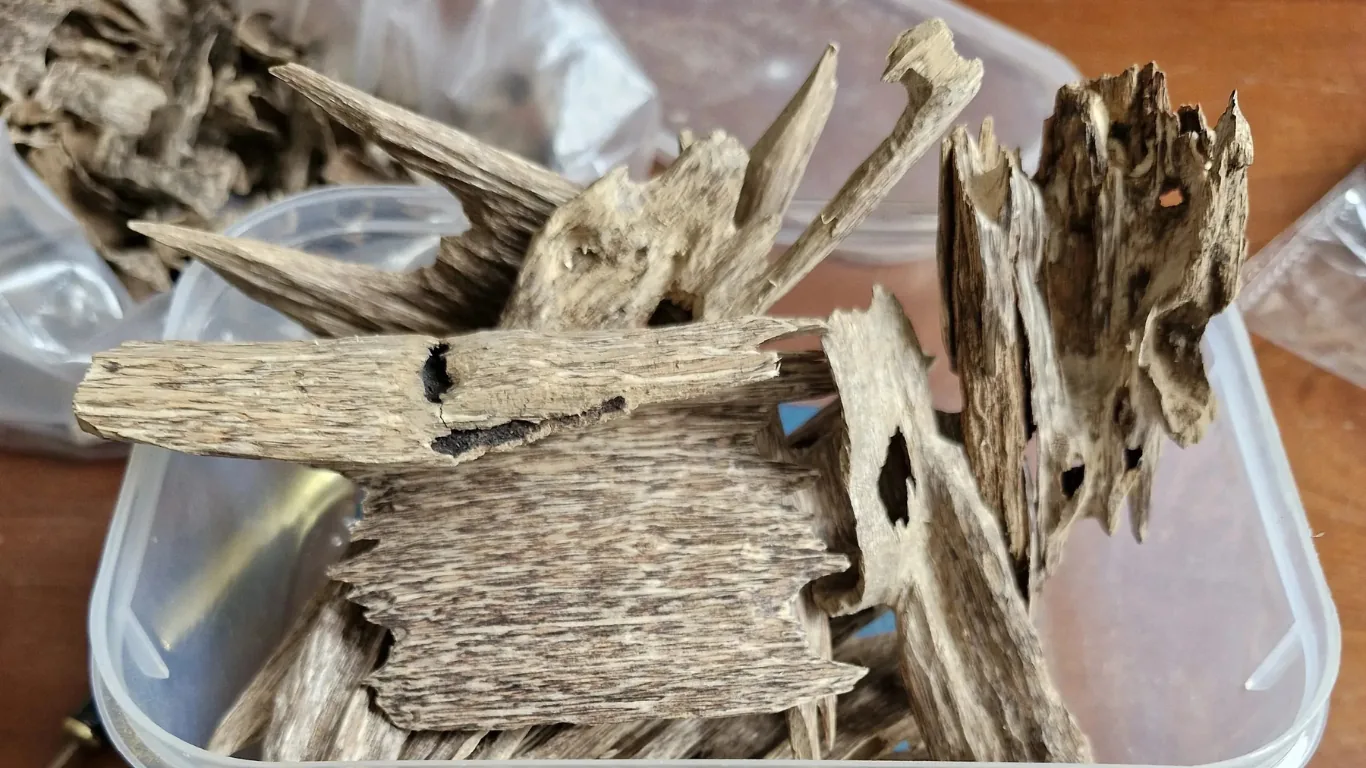
Before exploring substitutes, it’s crucial to understand what makes genuine agarwood so profoundly sought after and, consequently, expensive. Agarwood is formed in the heartwood of Aquilaria trees when they become infected with a specific type of mold. As a defense mechanism, the tree produces a dark, fragrant resin, which impregnates the wood, turning it into the precious material we know as agarwood or oud. This natural process is rare and can take decades, even centuries, to yield high-quality resin-impregnated wood. The scent profile of natural oud is an orchestra of notes: woody, sweet, balsamic, earthy, leathery, spicy, animalic, and often fruity, with remarkable tenacity and an evolving character that synthetic compounds simply cannot replicate. Each piece of agarwood, much like a fine wine, tells a unique story of its origin, the tree’s age, and the specific conditions of its resinification.
The cultural and historical significance of agarwood is vast, spanning across religious ceremonies in the Middle East, traditional medicine in Asia, and as a cornerstone of perfumery worldwide. Its rarity, combined with its cultural importance, drives prices to extreme levels, making authentic wild-harvested agarwood an investment comparable to precious gems. This economic reality, coupled with genuine concerns about overharvesting and deforestation in certain regions, propels the market for alternatives. Consumers often seek to experience at least a facet of the oud aroma without the prohibitive cost, or they look for more sustainable options. However, it’s vital to distinguish between true, natural agarwood and anything else. At OudWood Vietnam, we specialize in 100% pure, natural agarwood from the Aquilaria crassna species, sustainably cultivated in the pristine forests of Khanh Hoa province, near Nha Trang. Our commitment to ethical harvesting and traditional Vietnamese artisan practices ensures that every chip, every incense stick, and every drop of essential oil embodies the true spirit of this revered wood, offering an experience that cultivated alternatives strive, but often fail, to capture.
Deciphering the Spectrum: Natural vs. Synthetic Oud Substitutes
When considering alternatives to genuine agarwood, it’s essential to categorize them into two broad groups: natural botanical substitutes and synthetic fragrance compounds. Each category presents its own set of advantages and limitations, significantly impacting the aromatic experience, ethical considerations, and price point. Understanding this distinction is the first step in making an informed choice for your personal or professional use.
Natural botanical substitutes typically involve other types of aromatic woods, resins, or essential oils that share certain olfactory characteristics with oud. These materials are derived directly from plants and undergo minimal processing, often limited to distillation or grinding. Examples include sandalwood, Palo Santo, cedarwood, or resins like frankincense and myrrh. The appeal of natural substitutes lies in their authenticity, often carrying their own historical and cultural significance, and offering a complex, albeit different, aromatic profile. They are generally considered more “holistic” and can be favored by those seeking natural wellness benefits or aligning with traditional practices like meditation and yoga. While they may share some earthy, woody, or resinous notes with agarwood, they fundamentally lack the signature multi-faceted depth, the animalic nuances, and the unique transformative evolution that defines true oud.
On the other hand, synthetic oud substitutes are laboratory-created molecules or blends of aroma chemicals designed to mimic specific facets of agarwood’s scent. These are developed by perfumers and chemists to provide a consistent, cost-effective, and reproducible “oud accord.” Synthetic alternatives are prevalent in the commercial fragrance industry, from designer perfumes to mass-market incense. Their primary advantages include affordability, availability, and stability, as they are not subject to the natural variations and scarcity of wild-harvested materials. However, their significant drawback is the often-flat, one-dimensional character compared to natural oud. While they might capture a woody or smoky note, they rarely encompass the full spectrum of sweet, spicy, leathery, and deeply resinous aromas, nor the living, breathing evolution of genuine agarwood. At OudWood Vietnam, our philosophy is rooted in the purity of nature, which is why our products are entirely free from synthetic chemicals, DPG, charcoal boosters, or artificial dyes, ensuring an authentic experience every time.
Exploring Natural Botanical Alternatives to Agarwood
For those who prioritize natural origins and seek an aromatic experience somewhat akin to agarwood, albeit distinct, several botanical materials offer compelling alternatives. These woods and resins have their own revered histories and unique scent profiles, often sharing woody, earthy, or resinous notes that might resonate with an oud enthusiast. While none can perfectly replicate the profound complexity of high-grade Vietnamese agarwood, they can provide a beautiful and enriching olfactory journey in their own right.
- Sandalwood (Santalum album, Santalum spicatum): Often considered agarwood’s closest natural peer in terms of spiritual significance and depth, sandalwood is renowned for its creamy, smooth, warm, and woody aroma. Mysore sandalwood from India (Santalum album) is particularly prized for its sweet, milky notes, while Australian sandalwood (Santalum spicatum) offers a drier, more robust woody character. Unlike oud’s often darker, spicier, and animalic facets, sandalwood is generally softer and more contemplative. It’s a staple in meditation practices and luxury perfumery, excellent for creating a calming, grounding atmosphere. However, like agarwood, genuine, high-quality sandalwood, especially from Mysore, faces sustainability challenges and is increasingly rare and expensive.
- Palo Santo (Bursera graveolens): Meaning “holy wood” in Spanish, Palo Santo from South America has gained popularity for its sweet, woody, citrusy, and slightly minty aroma. Traditionally used by indigenous shamans for cleansing, healing, and spiritual purification, it offers a light, uplifting wood smoke when burned. While it shares the “woody” aspect with oud, its bright, fresh character is a stark contrast to oud’s deep, resinous complexity. It’s a lovely alternative for space clearing or light aromatherapy, but not a direct scent substitute for oud. Ethical sourcing is crucial to ensure its sustainability.
- Cedarwood (Cedrus atlantica, Juniperus virginiana): Various species of cedarwood, such as Atlas Cedar (Cedrus atlantica) and Virginia Cedar (Juniperus virginiana), offer dry, woody, sometimes pencil-shaving-like aromas. They are often used as base notes in perfumes and in incense blends for their grounding qualities. Cedarwood provides a foundational woody character that can underpin an oud-inspired blend, but it lacks the rich resinous sweetness and the diverse animalic or leathery notes found in true agarwood.
- Vetiver (Vetiveria zizanioides): Though not a wood, the essential oil extracted from the roots of the vetiver grass is celebrated for its deep, earthy, smoky, leathery, and sometimes slightly green or nutty aroma. Its complex, grounding scent profile shares a certain “darkness” and earthiness with some types of oud, making it a valuable component in natural oud accords or as a standalone grounding fragrance. Vetiver’s tenacity and depth make it a revered ingredient in perfumery, but it remains distinct from the true agarwood experience.
- Resins: Frankincense (Boswellia spp.) and Myrrh (Commiphora myrrha): These ancient resins, often burned as incense, offer rich, balsamic, and sometimes citrusy or smoky aromas. Frankincense is known for its uplifting, pine-like, and peppery notes, while myrrh is typically warm, earthy, and slightly bitter. While they share the “resinous” quality with agarwood and have profound spiritual connections, their scent profiles are distinct. They can contribute to a complex incense blend alongside other woods but are not direct oud substitutes themselves.
These natural alternatives, while beautiful and potent in their own right, illustrate a fundamental truth: while they may share certain aromatic facets with oud, they do not possess its unique molecular structure or its unparalleled depth and evolving complexity. Each offers a partial glimpse into the world of rich, aromatic woods and resins, but none can fully replicate the experience of genuine, pure agarwood from places like Khanh Hoa, Vietnam.
Navigating the World of Synthetic Oud: Mimicry and Its Limits
The rise of synthetic oud molecules marks a significant development in the fragrance industry, driven by the scarcity and exorbitant cost of natural agarwood. These lab-created compounds are designed to isolate and reproduce specific aromatic qualities found in oud, offering perfumers and product manufacturers a consistent, cost-effective, and ethically sustainable alternative. The science behind synthetic oud involves identifying key aroma chemicals present in natural agarwood and then synthesizing them in a laboratory, or creating novel molecules that evoke a similar sensory response.
Common synthetic oud molecules and accords include compounds like Norlimbanol (known for its powerful woody, amber, and dry notes), Agarwood Givco (a proprietary blend designed to capture a broader oud profile), and various other “Oud Synth” bases. These materials are incredibly versatile and have become ubiquitous in mainstream perfumery, candles, and incense. Their primary advantages are clear: they bypass the environmental concerns associated with wild harvesting, offer consistent quality and availability, and drastically reduce production costs, making “oud-inspired” fragrances accessible to a much wider market. For mass-produced items, or for those who simply enjoy a general woody, slightly smoky aroma without the investment of true oud, synthetics can be a practical choice.
However, the limitations of synthetic oud are equally profound. Natural agarwood is an incredibly complex material, containing hundreds of distinct aromatic compounds that interact and evolve over time, creating a multifaceted, living scent. Synthetic molecules, by their very nature, can only ever capture a fraction of this complexity. They often lack the depth, the rich nuance, the subtle animalic undertones, and the profound spiritual resonance of genuine oud. Many synthetic ouds can come across as linear, harsh, or even “chemical” to a discerning nose. They might offer a strong initial impression of woodiness or smokiness, but they rarely exhibit the smooth, evolving character that is the hallmark of true agarwood, particularly the sweet and deeply resinous profiles found in high-grade Vietnamese agarwood from Khanh Hoa.
For collectors and connoisseurs who seek the authentic, transformative experience of agarwood, synthetic versions are often a poor substitute. While they serve a commercial purpose, they cannot replicate the soul of the wood – the centuries of natural processes, the specific terroir, and the energetic properties that make real oud so revered. At OudWood Vietnam, our commitment to purity means we use absolutely no synthetic chemicals, DPG (diethyl phthalate glycol, a common solvent in fragrance oils), or artificial enhancers. Our products, from raw chips to incense sticks and essential oils, are 100% pure, natural agarwood, allowing you to experience the true, unadulterated essence of Vietnamese oud.
The Art of Blending and ‘Oud Accords’: Crafting a Similar Experience
Beyond single-note alternatives, perfumers and master blenders often employ a sophisticated technique of creating ‘oud accords.’ This involves combining various natural and/or synthetic ingredients in precise ratios to evoke the multifaceted character of agarwood. An oud accord is not a direct substitute but rather an artistic interpretation, aiming to capture the essence or certain desirable facets of oud’s complex profile without using the rare and expensive natural material itself. This approach highlights the creative ingenuity within the fragrance industry, driven by both artistic vision and market demands.
Crafting an effective oud accord is a delicate balance. A perfumer might use rich, earthy notes from vetiver or patchouli to simulate oud’s grounding base. Dry, woody elements from cedarwood or guaiac wood could contribute to its woody backbone. For the resinous, balsamic sweetness, ingredients like amber, labdanum, or even a touch of vanilla might be incorporated. To suggest the subtle animalic or leathery nuances, materials like castoreum (synthetic versions are common) or specific musks could be added. And, of course, various synthetic oud molecules are frequently utilized to provide a dominant “oudy” character. The skill lies in layering these different components so they harmonize and evolve, mimicking the sophisticated interplay of notes found in genuine agarwood.
While an oud accord can be highly successful in creating an appealing fragrance that hints at agarwood, it inherently operates within certain limitations. The true magic of natural agarwood lies in its organic evolution on the skin or as it slowly smolders. The subtle chemical reactions, the interaction of hundreds of molecules, and the influence of environmental factors all contribute to a living, breathing aroma that changes and reveals new facets over hours. An accord, no matter how expertly crafted, is a fixed composition. It can be beautiful and evocative, but it rarely possesses the soul, the unpredictable depth, or the spiritual weight of the real thing. It’s akin to admiring a stunning photograph of a magnificent landscape versus actually standing in that landscape, breathing in the air, feeling the sun, and hearing the sounds.
For those who primarily seek a pleasant, well-rounded fragrance with a “woody” or “exotic” feel for daily wear or casual home aromatherapy, an expertly blended oud accord can be a wonderful choice. However, for the connoisseur, the meditator, or anyone desiring the profound and authentic experience of agarwood – its grounding properties, its ability to elevate spiritual practices, and its unparalleled aromatic journey – only pure, natural agarwood will suffice. At OudWood Vietnam, we celebrate the true artistry of nature, offering agarwood in its most unadulterated form, from raw chips to meticulously crafted incense, free from any synthetic interventions.
The OudWood Vietnam Difference: Why Purity and Authenticity Reign Supreme
In a world increasingly saturated with imitations and synthetic concoctions, OudWood Vietnam stands as a beacon of purity and authenticity. Our commitment is not just to sell agarwood, but to share the true, unadulterated essence of Vietnam’s most precious natural treasure. Our agarwood is exclusively sourced from the lush, verdant forests of Khanh Hoa province, nestled near the coastal city of Nha Trang. This region is world-renowned for cultivating the Aquilaria crassna species, considered by many experts to yield some of the finest agarwood globally, characterized by its distinctive sweet, woody, and subtly spicy aroma that evolves beautifully with heat.
What truly sets OudWood Vietnam apart is our unwavering dedication to 100% natural processes and traditional Vietnamese artisan traditions. We guarantee that all our products—be it our exquisite incense sticks, cones, coils, backflow cones, raw chips for heating, pure essential oil, or elegant agarwood bracelets—contain absolutely no synthetic chemicals, no DPG (diethyl phthalate glycol, a common fragrance solvent), no charcoal boosters, and zero artificial dyes. Our incense, for instance, uses only natural litsea bark (bời lời/楠木皮粉) as a binder, ensuring a clean, pure burn that allows the delicate nuances of the agarwood to shine through without interference. This commitment to purity means you experience the true aromatic profile of agarwood, unmasked and unadulterated.
Our agarwood is not only pure but also ethically and sustainably sourced. We are CITES certified, ensuring that our trade adheres to international regulations protecting endangered species and promoting sustainable harvesting practices. This certification, along with our TSA compliance, means you can legally and confidently enjoy our authentic agarwood products, knowing they meet strict international standards and are safe for international shipping. We offer a diverse range of agarwood grades, catering to every connoisseur and collector. From the legendary Ky Nam (Kyara), the pinnacle of agarwood resinification, to Grade A (boasting 15-25% resin content, perfect for daily heating), Grade B, Grade C, Grade D, and even the revered Sinking Grade, each piece is meticulously selected and graded based on its resin saturation, aroma profile, and density. Sinking grade, for example, is reserved for the densest pieces so rich in resin they sink in water, signifying exceptional quality and depth of scent.
When you choose OudWood Vietnam, you’re not just purchasing a product; you’re investing in an experience. Our agarwood is perfect for elevating personal rituals such as meditation, yoga, and mindfulness practices, creating a serene and deeply grounding atmosphere. It serves as an unparalleled home aromatherapy solution, infusing your living spaces with a luxurious and natural fragrance that cleanses and harmonizes. For collectors, our raw chips offer a chance to explore the subtle variations of true agarwood under controlled heating, while our meticulously crafted bracelets provide a constant, gentle aroma and a tangible connection to this sacred wood. For those seeking a truly unique and luxurious gift, our agarwood products are an embodiment of heritage, purity, and refined taste. Experience the genuine article, the soul of Vietnam’s agarwood, with OudWood Vietnam.
Making an Informed Choice: When to Opt for Alternatives vs. Authentic Oud
Navigating the complex world of agarwood and its alternatives ultimately boils down to making an informed decision that aligns with your specific needs, budget, desired experience, and ethical considerations. There are valid reasons to explore alternatives, just as there are compelling arguments for investing in genuine agarwood. Understanding these nuances is key to ensuring satisfaction and appreciation for whatever choice you make.
**When Alternatives Might Suffice:** If your primary goal is to enjoy a generally woody, smoky, or earthy aroma for everyday casual use, without a deep dive into the nuances of true oud, then alternatives can be perfectly adequate. For instance:
- Budget Constraints: If authentic agarwood’s price point is prohibitive, synthetic oud perfumes or natural botanical incense (like sandalwood or Palo Santo) offer more accessible price points to introduce woody aromas into your life.
- Specific Aromatic Facets: If you’re only seeking a particular note that oud sometimes presents – for example, just a sweet woodiness or a deep earthiness – certain essential oils or incense blends can capture that specific facet without encompassing the whole oud profile.
- Environmental Concerns (if not sourcing responsibly): If you’re wary of the sustainability issues associated with wild-harvested oud, and you can’t verify the ethical sourcing of a supplier, then opting for verified sustainable botanicals or synthetic alternatives might feel more comfortable.
- Functional Uses: For large-scale commercial applications where consistency and cost-effectiveness are paramount (e.g., mass-produced scented candles, air fresheners), synthetic oud accords are often the only practical solution.
**When Only Authentic Agarwood Will Do:** For a truly profound, evolving, and natural olfactory experience, particularly one rooted in tradition, spiritual practice, and connoisseurship, genuine agarwood is simply unmatched. This is where the OudWood Vietnam difference truly shines:
- Unparalleled Complexity and Evolution: Only natural agarwood offers a dynamic, multi-layered scent that evolves over time, revealing different facets from sweet to spicy, leathery to animalic, woody to balsamic. This ‘living’ aroma cannot be replicated synthetically.
- Spiritual and Therapeutic Depth: For meditation, yoga, mindfulness, or spiritual practices, the deep, grounding, and purifying energy of pure agarwood from sources like Khanh Hoa, Vietnam, is deeply revered. Its natural resonance connects with ancient traditions in a way synthetics cannot.
- Collector’s Appreciation: For the serious collector, the rarity, the specific terroir of origin (e.g., Aquilaria crassna from Khanh Hoa), the resin content, and the unique characteristics of each grade (Ky Nam, Sinking Grade, Grade A) are paramount. This appreciation is for the natural wonder, not a laboratory creation.
- Purity and Naturalness: If you are sensitive to chemicals or prioritize 100% natural ingredients in your home and on your person, OudWood Vietnam’s commitment to zero synthetics, DPG, charcoal, or artificial dyes provides peace of mind and a truly pure experience.
- Luxury Gifting: For a truly distinguished and meaningful gift, authentic agarwood signifies taste, appreciation for natural beauty, and a connection to ancient traditions—a statement far beyond a mass-produced fragrance.
Ultimately, the choice reflects your priorities. While alternatives can offer a glimpse or a compromise, they serve a different purpose. For those who seek the true soul of agarwood – its history, its depth, its spiritual power, and its inimitable natural beauty – the investment in pure, authentic Vietnamese agarwood from a trusted source like OudWood Vietnam is an investment in an unparalleled sensory and spiritual journey.
Comparison Table: Genuine Agarwood vs. Alternatives
| Feature | Genuine Vietnamese Agarwood (OudWood Vietnam) | Natural Botanical Alternatives (e.g., Sandalwood, Palo Santo) | Synthetic Oud/Accords |
|---|---|---|---|
| Aroma Complexity | Unparalleled; hundreds of compounds, evolving, multi-layered (sweet, woody, spicy, animalic, balsamic, leathery). | Moderate to high; distinct but less complex than oud; typically strong in specific facets (e.g., creamy for sandalwood, citrusy for Palo Santo). | Low to moderate; often linear, less depth, may smell “chemical” or “flat” compared to natural. |
| Origin | 100% pure, natural Aquilaria crassna from Khanh Hoa, Vietnam. Formed through natural infection. | Various plants, woods, or resins (e.g., Santalum album, Bursera graveolens). | Lab-created molecules and chemical blends. |
| Sustainability/Ethics | CITES certified, sustainably cultivated. Ethical harvesting, reforestation efforts. | Varies; some (e.g., Mysore sandalwood) face scarcity/ethical concerns. Many are sustainably harvested. | Generally high, as production is controlled and doesn’t deplete natural resources. |
| Cost | Premium investment (liquid gold), reflects rarity, age, and natural process. | Moderate to high for high-quality, rare materials; lower for common ones. | Low to moderate; very affordable for mass production. |
| Purity & Additives | 100% natural, no synthetics, DPG, charcoal, or artificial dyes. Natural litsea bark binder for incense. | Generally natural, but check for added oils or binders in products. | Primarily chemical composition; often contains DPG or other solvents. |
| Spiritual/Cultural Significance | Profound, millennia-old spiritual and medicinal history across cultures. | Significant, with their own ancient traditions (e.g., meditation, cleansing). | Little to none; purely aesthetic or commercial. |
| Use Cases | Luxury gifting, meditation, yoga, connoisseur collection, high-end aromatherapy, exquisite personal fragrance. | Aromatherapy, general incense, spiritual practices, complementing oud. | Commercial perfumes, candles, air fresheners, mass-market incense. |
Frequently Asked Questions About Oud Wood Alternatives
What makes genuine oud so expensive?
Genuine oud’s high cost stems from its extreme rarity and the labor-intensive process of its formation and harvesting. It’s formed only when specific Aquilaria trees are infected by a particular mold, producing a resinous heartwood over decades, or even centuries. Only a small percentage of wild Aquilaria trees naturally produce oud, making wild-harvested material exceedingly scarce. Even sustainably cultivated agarwood requires significant time, careful management, and skilled artisans for processing. This natural scarcity, combined with high global demand for its unique aroma, drives its premium price.
Are oud wood alternatives sustainable?
Sustainability varies greatly among alternatives. Synthetic oud is generally considered sustainable as it’s lab-created and doesn’t deplete natural resources. Natural botanical alternatives like sandalwood or Palo Santo can be sustainable if sourced ethically from managed plantations or through responsible harvesting practices, but some species (like Mysore sandalwood) are endangered due to overharvesting. At OudWood Vietnam, we prioritize sustainability by sourcing our Aquilaria crassna agarwood from CITES-certified, cultivated plantations in Khanh Hoa, ensuring responsible practices and reforestation efforts.
Can synthetic oud smell like real oud?
Synthetic oud can mimic certain facets of real oud’s aroma, such as woodiness or smokiness, but it rarely captures the full, complex, and evolving profile of genuine agarwood. Natural oud contains hundreds of aromatic compounds that interact dynamically, creating a depth, sweetness, animalic nuance, and longevity that synthetic molecules struggle to replicate. Synthetics often smell linear, sometimes harsher, and lack the “living” quality and spiritual resonance of the natural material.
What is the best natural alternative to oud wood for burning?
For burning, high-quality sandalwood (especially Santalum album) is often considered the closest natural alternative due to its rich, woody, and spiritual aroma. Palo Santo offers a lighter, sweeter, and more cleansing woody smoke. Frankincense and Myrrh resins provide deep, balsamic, and ancient spiritual aromas. However, each offers a distinct experience and will not replicate the full spectrum of true agarwood from places like Khanh Hoa, Vietnam.
How can I identify real agarwood from fakes?
Identifying real agarwood requires experience and keen senses. Genuine agarwood typically has a complex, evolving aroma that changes with gentle heat, revealing layers of sweetness, woodiness, spice, and sometimes subtle animalic notes. Fakes often smell flat, overly smoky, or chemically harsh. Real agarwood’s resin content makes it dense and often dark, with visible resin veins. It should not produce excessive black smoke or have an oily residue when heated. Always buy from trusted, reputable suppliers like OudWood Vietnam, who provide purity guarantees and CITES certifications.
Why choose OudWood Vietnam’s agarwood over alternatives?
OudWood Vietnam offers 100% pure, natural Aquilaria crassna agarwood from the renowned Khanh Hoa province, Vietnam. Our products are free from synthetic chemicals, DPG, charcoal boosters, and artificial dyes, ensuring an authentic, unadulterated experience. We are CITES certified, guaranteeing sustainable and ethical sourcing. We offer various grades, from Ky Nam to Sinking Grade, catering to connoisseurs and enthusiasts who seek the genuine, complex, and spiritually resonant aroma that only true Vietnamese agarwood can provide, far surpassing the limitations of any alternative.
While the search for oud wood alternatives is understandable, at OudWood Vietnam, we invite you to experience the unparalleled depth, complexity, and spiritual resonance of authentic, 100% pure Vietnamese agarwood. Discover the true “liquid gold” that has captivated hearts and minds for millennia. Explore our exquisite range of agarwood products, from raw chips to handcrafted incense and pure essential oils, and embark on an olfactory journey like no other. Visit us at OudWoodVietnam.com to elevate your senses and connect with nature’s most precious aroma.

Oud Wood Agarwood Chips
Hoi An Oud Wood Agarwood Chips | Doi De A | Grade A++ | 20g
Oud Wood Agarwood Chips
Khanh Hoa Oud Wood Agarwood Chips | Chop Mu A | Grade A++ | 20g
Oud Wood Agarwood Chips
Natural Oud Wood Agarwood Chips | Mo | Grade A | 30g