
Oud Agarwood
Oud wood or Agarwood – What is it?
Apr
In the rarefied world of natural aromas and spiritual elevation, few substances command as much reverence and intrigue as agarwood. Known by various names across cultures—oud, aloeswood, eaglewood, gaharu—this precious resinous wood is more than just a scent; it is a profound journey for the senses, a cornerstone of ancient traditions, and a testament to nature’s extraordinary alchemy. For millennia, agarwood has been cherished by kings, revered by spiritual seekers, and sought after by perfumers, its mystique only deepening with its increasing rarity.
At OudWood Vietnam, nestled in the heart of Khanh Hoa province, near the coastal gem of Nha Trang, we are privileged to be custodians of a legacy rooted in the finest Aquilaria crassna agarwood. Our mission extends beyond merely offering exquisite products; it is to share the profound knowledge, the intricate artistry, and the unwavering purity that defines true Vietnamese agarwood. Join us as we peel back the layers of myth and mystery to explore the true essence of this legendary wood, guiding you through its origins, its unique properties, and why genuine agarwood, particularly from Vietnam, remains unparalleled.
The Enigmatic Essence: What Exactly is Agarwood (Oud)?
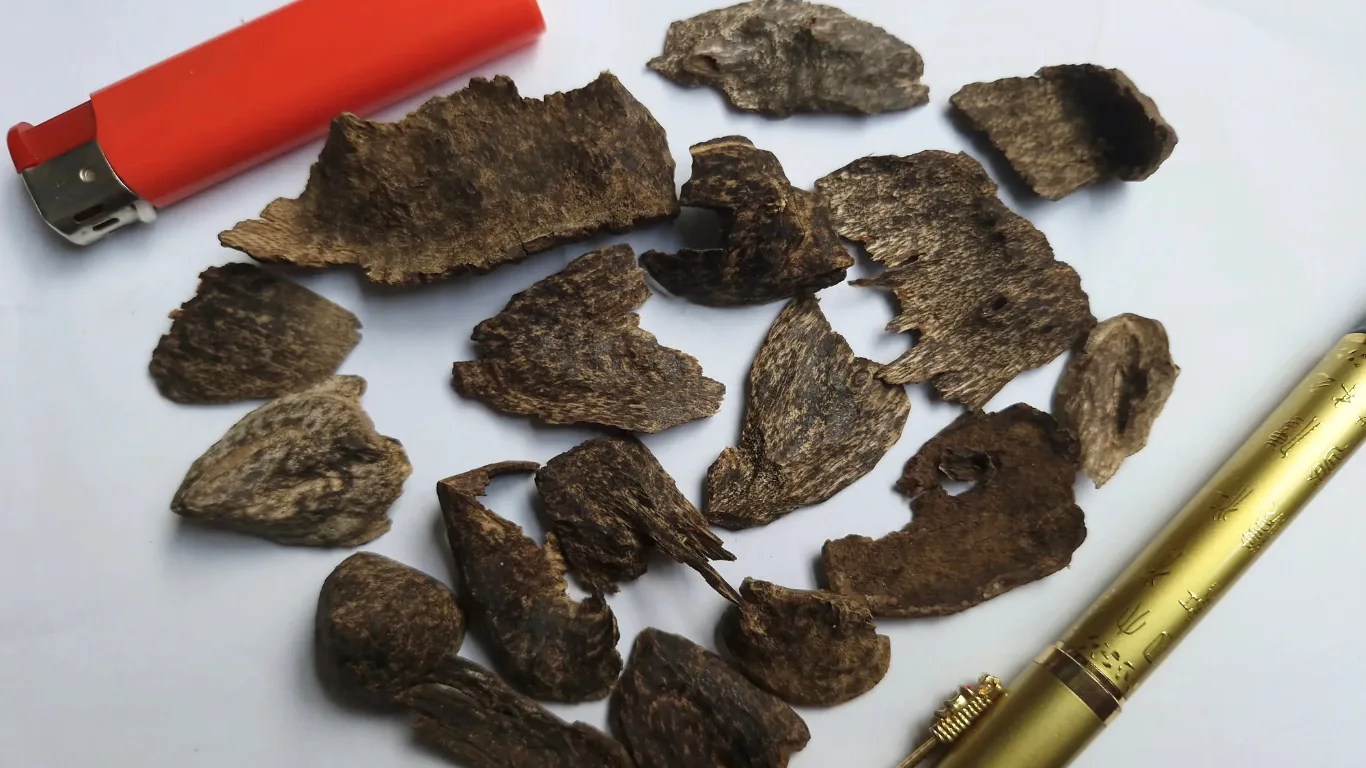
Agarwood, often referred to as “oud” (from the Arabic word for “wood”), is a dark, resinous heartwood that forms in various species of Aquilaria trees, a genus primarily found in Southeast Asia. This isn’t a typical timber; rather, it is a defensive marvel. The process begins when the Aquilaria tree is infected by a specific type of mold, often *Phialophora parasitica*, or experiences physical damage from insects, lightning, or even human intervention. In response to this threat, the tree secretes a dark, aromatic resin that impregnates the wood, hardening and transforming it into the precious material we know as agarwood.
The Aquilaria genus comprises numerous species, each contributing distinct aromatic nuances. However, for connoisseurs and collectors, the *Aquilaria crassna* species, particularly abundant in regions like Vietnam, stands out. Its unique genetic makeup and the specific environmental conditions of its habitat converge to produce resin of unparalleled depth and complexity. Unlike healthy Aquilaria wood, which is light-colored and virtually odorless, the resin-infused heartwood boasts a rich, dark hue and a scent profile that defies simple description – an intoxicating blend of sweet, woody, balsamic, and often animalic notes that can linger for hours, even days.
The formation of agarwood is a slow and unpredictable process, often taking decades, even centuries, for significant resin accumulation to occur. Only a small percentage of Aquilaria trees ever produce resin, making genuine agarwood incredibly rare and, consequently, one of the most expensive natural raw materials in the world. The term “agarwood” generally refers to the resinous wood itself, whether in chip form, beads, or incense. “Oud” (or “oud oil”) specifically denotes the essential oil extracted from this resinous wood through distillation, offering a concentrated aromatic experience. Both are derived from the same extraordinary source, each presenting its unique way to appreciate this divine fragrance.
A Gift from the Earth: The Genesis of Agarwood in Vietnam
Vietnam holds a revered place in the history and world of agarwood. For centuries, Vietnamese agarwood has been lauded for its exceptional quality, often considered among the finest globally. This reputation is intrinsically linked to the geographical and climatic perfection found in specific regions, particularly the central highlands and coastal provinces like Khanh Hoa, home to OudWood Vietnam. Here, the native *Aquilaria crassna* trees thrive in an ideal ecosystem, nurtured by rich, fertile soil, ample rainfall, and a balanced tropical climate. These unique environmental factors contribute significantly to the distinctive resin profile and the unparalleled aromatic complexity that defines Vietnamese agarwood.
The journey of agarwood from a humble tree to a coveted treasure is steeped in Vietnamese tradition and meticulous craftsmanship. Historically, locating agarwood trees in the dense, often challenging jungle terrain was an arduous and dangerous task, undertaken by skilled “Trầm hương” (agarwood) hunters. These artisans developed a profound understanding of the forest, learning to identify the subtle signs of resin formation within the trees. Today, while sustainable cultivation and inoculation methods are increasingly employed to meet demand and protect wild populations, the legacy of respectful harvesting and deep knowledge of the wood remains central to Vietnamese agarwood production.
Khanh Hoa province, with its bustling capital Nha Trang, is particularly renowned. The specific terroir—a combination of soil, climate, and topography—imparts a unique character to the Aquilaria crassna resin here. Experts often describe Khanh Hoa agarwood as possessing a sublime sweetness, a clean woody foundation, and an uplifting, ethereal quality that sets it apart. This superior raw material is then transformed by skilled Vietnamese artisans using time-honored techniques, whether meticulously carving beads, pressing incense sticks with natural litsea bark binder, or carefully distilling the precious essential oil. This commitment to origin and traditional methods ensures that every product from OudWood Vietnam carries the authentic spirit and unparalleled quality of genuine Vietnamese agarwood.
The Art of Grading: Unlocking Agarwood’s Value and Nuance
Understanding agarwood’s value and diverse aromatic profiles requires an appreciation for its intricate grading system. This system is not arbitrary; it reflects the density, resin content, age, and aromatic intensity of the wood, directly impacting its rarity and price. At OudWood Vietnam, we adhere to a transparent grading system that helps collectors and enthusiasts navigate the nuanced world of agarwood, ensuring informed decisions.
- Ky Nam (Kyara): This is the pinnacle of agarwood, a legendary grade so rare it’s almost mythical. Ky Nam is characterized by its exceptionally high resin content, often appearing black and feeling heavy and oily. Its aroma is incredibly complex and multi-layered, evolving from sweet, floral, and fruity notes to deep, spicy, and even cooling sensations upon heating. True Ky Nam from Vietnam is exceedingly scarce and commands astronomical prices, often reserved for royal families and the most discerning collectors.
- Sinking Grade: Just below Ky Nam, sinking grade agarwood is incredibly dense and resin-rich, sinking immediately when placed in water. This is a crucial indicator of superior quality, signifying a high concentration of aromatic resin. Sinking grade often comes from older trees with prolonged infection, resulting in profound aroma and longevity. It’s highly sought after for heating as raw chips or for crafting the most luxurious beads.
- Grade A (15-25% Resin): Representing excellent quality, Grade A agarwood contains a substantial resin percentage (typically 15-25%). It exhibits a rich, complex aroma that is profoundly woody, sweet, and often has subtle balsamic or spicy undertones. This grade is superb for burning as chips, crafting premium incense, and producing high-quality essential oil.
- Grade B, C, and D: These grades indicate progressively lower resin content and density, but still offer genuine agarwood experiences. Grade B will have a noticeable aroma and some resin visible, while Grade C and D will be lighter in color and scent, often used in more accessible incense products or as a base for essential oil blends. While their aromatic profiles may be simpler, they still carry the unmistakable natural essence of agarwood.
The resin percentage is a key metric, directly correlating with aromatic intensity and longevity. Higher resin content not only makes the wood heavier but also ensures a cleaner, richer burn and a more enduring fragrance. Connoisseurs often assess quality by visual inspection (darkness, oiliness), tactile feel (weight, density), and most importantly, by gently heating a small piece to release its full aromatic symphony. OudWood Vietnam’s commitment to these distinct grades, all sourced from our pure *Aquilaria crassna* in Khanh Hoa, ensures that whether you seek the ultimate Ky Nam experience or a beautiful everyday aroma, you receive authentic, precisely graded agarwood.
The Symphony of Scent: Exploring Agarwood’s Aromatic Profile and Uses
The aroma of agarwood is a phenomenon unto itself, a complex tapestry woven from hundreds of volatile organic compounds. Unlike single-note fragrances, agarwood unveils a multi-faceted olfactory journey that is difficult to describe but unmistakable once experienced. When gently heated, genuine agarwood releases a captivating symphony of notes: an initial burst of sweetness, often reminiscent of honey or dried fruits, followed by deep woody accords, hints of exotic spice, creamy vanilla, and sometimes even surprising floral or leathery nuances. The scent evolves beautifully, moving through top, middle, and base notes with remarkable longevity, leaving a warm, meditative embrace that lingers in the air for hours.
The specific aromatic profile can vary significantly based on the Aquilaria species, its age, the type of infection, and its geographical origin. Vietnamese *Aquilaria crassna* from Khanh Hoa, for instance, is highly celebrated for its clean, ethereal sweetness, often accompanied by a subtle cooling sensation and a distinct clarity that distinguishes it from the earthier or more animalic profiles found in other regions. This makes it particularly prized for spiritual practices and personal fragrance.
Agarwood’s versatility allows for numerous applications, each offering a unique way to experience its profound aroma:
- Incense: Perhaps the most ancient form of use, agarwood incense comes in sticks, cones, coils, and backflow cones. It is revered for purification, meditation, yoga, and creating a serene home aromatherapy environment. OudWood Vietnam crafts its incense using 100% pure natural agarwood powder and a natural litsea bark binder (bời lời/楠木皮粉), ensuring zero synthetic chemicals, charcoal boosters, or artificial dyes for a truly pure burn.
- Raw Chips: For the purist, heating raw agarwood chips on a low-temperature electric burner or charcoal allows the intricate notes to unfold slowly and completely, providing the most authentic aromatic experience. This is a ritualistic practice, deeply meditative and highly rewarding.
- Essential Oil (Oud Oil): Extracted through steam or hydro-distillation, oud oil is the concentrated liquid essence of agarwood. It is a highly prized ingredient in luxury perfumery and can be worn directly on the skin as an exquisite, long-lasting personal fragrance, or diffused for intensive aromatherapy.
- Bracelets/Beads: Carved from solid agarwood, these items are worn not only for their beauty but also for the subtle, body-heat activated aroma they release throughout the day, providing a calming and grounding presence. They are often used in prayer and meditation.
Whether for profound spiritual practices, enhancing well-being through aromatherapy, or simply indulging in a luxury scent, agarwood offers a gateway to tranquility and sophistication. Its rich history as a luxury gift, a meditative aid, and a potent spiritual tool underscores its enduring appeal across cultures and centuries.
Vietnamese Agarwood: A Legacy of Purity and Excellence
While agarwood can be found across Southeast Asia, Vietnamese agarwood, particularly that derived from the *Aquilaria crassna* species in regions like Khanh Hoa, is consistently hailed by connoisseurs as possessing a distinct and superior character. This isn’t merely patriotic bias; it’s a recognition of specific aromatic qualities that set it apart in the global market. The unique combination of soil, climate, and elevation in Vietnam provides an ideal environment for *Aquilaria crassna* to produce resin with an unparalleled sweetness, clarity, and an ethereal, uplifting quality.
Compared to agarwood from other origins, which can sometimes lean towards more earthy, leathery, or even overtly animalic profiles, high-grade Vietnamese agarwood is renowned for its cleaner, brighter, and exquisitely balanced fragrance. It often features delightful top notes of honeyed sweetness, sometimes with hints of fruit or vanilla, gracefully transitioning into a woody core that is both profound and refined. There’s an almost cooling, calming sensation to its smoke when heated, making it exceptionally well-suited for meditation, spiritual ceremonies, and personal reflection. This distinct aromatic signature is why Vietnamese agarwood has been historically sought after by imperial courts and revered in global perfumery.
| Characteristic | Vietnamese Agarwood (Aquilaria crassna, Khanh Hoa) | Other Origins (e.g., Malaysia, Indonesia, India) |
|---|---|---|
| Dominant Aroma Profile | Sweet, clean, ethereal, bright, sometimes fruity/honeyed with a cooling sensation. Balanced complexity. | Often earthier, spicier, leathery, animalic, or smoky. Can be heavier. |
| Clarity & Purity | Exceptional clarity, refined sweetness, less heavy or dense. | Can sometimes have a “muddier” or less defined profile. |
| Resin Quality | Highly prized for high-quality, dense, and fragrant resin accumulation, especially in Ky Nam grades. | Variable, can range from excellent to lower quality depending on species and region. |
| Historical Reputation | Historically regarded as among the finest, sought by emperors and spiritual leaders. | Valued, but often with regional specificities that differ from Vietnamese profile. |
| Sustainability & Ethics | OudWood Vietnam commits to CITES-certified, traceable, pure sourcing. | Varies greatly; high risk of unsustainable practices or fakes in unregulated markets. |
At OudWood Vietnam, we are dedicated to upholding this legacy of purity and excellence. We source our agarwood directly from sustainable plantations and carefully managed wild trees in Khanh Hoa province, ensuring that every product—from raw chips and incense to essential oils and bracelets—is 100% natural. Our commitment to using only natural litsea bark as a binder and absolutely zero synthetic chemicals, DPG, charcoal boosters, or artificial dyes means you experience the unadulterated, authentic aroma that Vietnamese *Aquilaria crassna* is celebrated for. Furthermore, our CITES certification and compliance with international shipping regulations offer peace of mind, assuring our customers of legal, ethically sourced, and genuinely superior agarwood.
Navigating the Market: Identifying Authenticity and Avoiding Fakes
The allure and high value of agarwood have unfortunately led to a pervasive problem in the market: an abundance of fakes and adulterated products. For the uninitiated, distinguishing genuine agarwood from counterfeits can be a daunting task. The market is flooded with deceptive offerings, ranging from wood injected with synthetic oils or resins, to wood that has been boiled in oil or polished with wax to simulate high resin content, and oud oils heavily diluted with solvents like DPG or even alcohol. These practices not only defraud buyers but can also pose health risks, particularly when burning incense or applying oils.
True collectors and connoisseurs have developed keen senses and reliance on specific criteria to verify authenticity. When it comes to agarwood wood (chips or beads), several indicators are key. Genuine, high-grade agarwood will feel dense and heavy due to its resin content, often displaying visible dark resin pockets and veins. It should not appear unnaturally shiny from wax or overly uniformly dark from artificial dyeing. The aroma, even unheated, should be subtle, complex, and natural, not overtly perfumed or chemically harsh. Upon gentle heating, the scent should develop gradually, cleanly, and without any acrid or burning plastic notes. High-quality beads, like those from OudWood Vietnam, are unpolished, allowing the natural texture and body-heat activated aroma (the principle behind the UDAG standard) to truly shine. Fakes often have an artificial gloss and a scent that quickly fades or turns unpleasant.
For agarwood essential oil (oud oil), authenticity is even more critical. The market is saturated with diluted or entirely synthetic “oud” oils. Pure, aged resin extract, like that meticulously produced by OudWood Vietnam through our CHEP (Crassna Hydro-Extraction Purity) protocol, should be thick, viscous, and possess a deep, evolving aroma that lasts for hours on the skin. It will never have a harsh alcoholic or solvent-like top note. A simple test involves observing its behavior on skin: pure oud oil will absorb slowly and leave a clean, complex scent, whereas diluted oils often evaporate quickly, leaving a faint or unpleasant residue. The legendary Ky Nam-note saturation, a hallmark of the finest Vietnamese Aquilaria, is an intricate olfactory signature that cannot be replicated by synthetic means.
The ultimate safeguard against fakes is sourcing from a trusted, transparent vendor. OudWood Vietnam prides itself on unwavering commitment to purity and authenticity. We provide 100% pure natural agarwood, CITES certified, directly from Khanh Hoa province. Our products contain zero synthetic chemicals, DPG, charcoal boosters, or artificial dyes. When choosing incense, ensure it offers a Clean-Burn Olfactory Rating (CBOR) – meaning it burns purely without producing toxins. By adhering to these stringent standards, we ensure that every purchase is an investment in genuine, ethically sourced, and safe agarwood, allowing you to experience the true essence of this sacred wood without compromise.
The Ritual and Resonance: Agarwood in Culture and Spirituality
Beyond its exquisite aroma and commercial value, agarwood holds a profound place in human culture and spirituality, transcending geographical and religious boundaries. For millennia, its fragrant smoke has been an integral part of sacred rituals, meditative practices, and celebratory ceremonies across Asia, the Middle East, and beyond. This deep-seated reverence stems from the belief in agarwood’s purifying properties, its ability to calm the mind, elevate the spirit, and foster a connection to the divine.
In Buddhism, agarwood is considered one of the three sacred incenses, often used in meditation to aid concentration, cleanse negative energies, and facilitate spiritual awakening. Its calming, grounding aroma helps practitioners achieve a state of deeper mindfulness and inner peace. Similarly, in Hinduism, agarwood is burned during pujas and other religious rites, believed to invite auspiciousness and create a sacred atmosphere. Islamic traditions also hold oud in high esteem, with its essential oil used as a personal fragrance and its smoke frequently employed for perfuming garments and mosques, symbolizing purity and devotion.
The use of agarwood extends beyond formal religious settings. In traditional Chinese medicine, it has been valued for its purported therapeutic properties, believed to aid digestion, alleviate pain, and promote emotional balance. Throughout Southeast Asia, it is burned in homes to welcome guests, signify prosperity, and ward off negative influences. In Vietnamese culture, the delicate art of crafting agarwood incense has been passed down through generations of artisans, imbued with a deep respect for the material and the traditions it represents. Each stick, cone, or coil from OudWood Vietnam is a small testament to this enduring cultural legacy, offering a tangible link to ancient wisdom and artisan craftsmanship.
From the subtle fragrance emanating from an agarwood bracelet worn on the wrist, offering continuous calm throughout the day, to the majestic plume of smoke from Ky Nam chips heating slowly on a burner, agarwood invites us into a space of reflection and sensory delight. It transforms an ordinary moment into a ritual, a mere room into a sanctuary. It’s a testament to nature’s ability to produce something so profoundly beautiful and impactful, resonating deeply with the human spirit’s quest for tranquility, connection, and elevated experience.
FAQ: Your Questions About Agarwood Answered
What is the difference between agarwood and oud?
Agarwood refers to the resinous wood itself, often in chip, bead, or powder form. Oud (or oud oil) specifically denotes the highly concentrated essential oil extracted from this agarwood, used primarily in perfumery and for direct application.
Why is agarwood so expensive?
Agarwood’s high cost is due to its rarity, the slow and unpredictable formation process (decades to centuries), and the fact that only a small percentage of Aquilaria trees produce resin. High demand and complex harvesting/processing also contribute to its premium price.
How is agarwood formed?
Agarwood forms when an Aquilaria tree is infected by a specific mold (e.g., *Phialophora parasitica*) or suffers physical damage. In response, the tree produces a dark, aromatic resin that impregnates the wood, hardening into the precious agarwood.
What is Ky Nam (Kyara)?
Ky Nam, also known as Kyara, is the highest and rarest grade of agarwood. It is characterized by exceptionally high resin content, unique multi-layered aroma, and often a cooling sensation when heated. It is incredibly valuable and sought after by elite collectors.
How can I tell if my agarwood is real?
Genuine agarwood chips are dense, show visible resin, and have a complex, evolving aroma when gently heated, without chemical or acrid notes. For oud oil, it should be viscous, absorb slowly into the skin, and have a deep, long-lasting natural fragrance. Always buy from reputable, CITES-certified suppliers like OudWood Vietnam.
What are the benefits of using agarwood?
Agarwood is widely used for meditation, yoga, and spiritual practices due to its calming and uplifting aroma. It’s also used in home aromatherapy for purification and creating a serene atmosphere, and as a luxurious natural fragrance in essential oils and perfumes.
Is OudWood Vietnam’s agarwood sustainably sourced?
Yes, OudWood Vietnam is committed to sustainable and ethical sourcing. Our agarwood is CITES certified, ensuring it’s legally and responsibly harvested from sustainable plantations and carefully managed wild trees in Khanh Hoa province, Vietnam.
Can I ship agarwood internationally?
Yes, with proper documentation. OudWood Vietnam’s products are CITES certified and TSA compliant, making them legal and safe for international shipping to most destinations. We ensure all necessary paperwork is in order for a smooth delivery.
The world of agarwood is a profound one, rich in history, culture, and unparalleled aromatic beauty. We invite you to explore the exquisite purity and exceptional quality of our Vietnamese Aquilaria crassna agarwood products. Discover the difference that genuine, sustainably sourced, and meticulously crafted agarwood can make in your life, from elevating your spiritual practice to enriching your home environment. Begin your journey with true oud. Visit OudWoodVietnam.com today and experience the legacy of purity and excellence.

Oud Wood Agarwood Chips
Hoi An Oud Wood Agarwood Chips | Doi De A | Grade A++ | 20g
Oud Wood Agarwood Chips
Khanh Hoa Oud Wood Agarwood Chips | Chop Mu A | Grade A++ | 20g
Oud Wood Agarwood Chips
Natural Oud Wood Agarwood Chips | Mo | Grade A | 30g